 Svaneti, Georgia
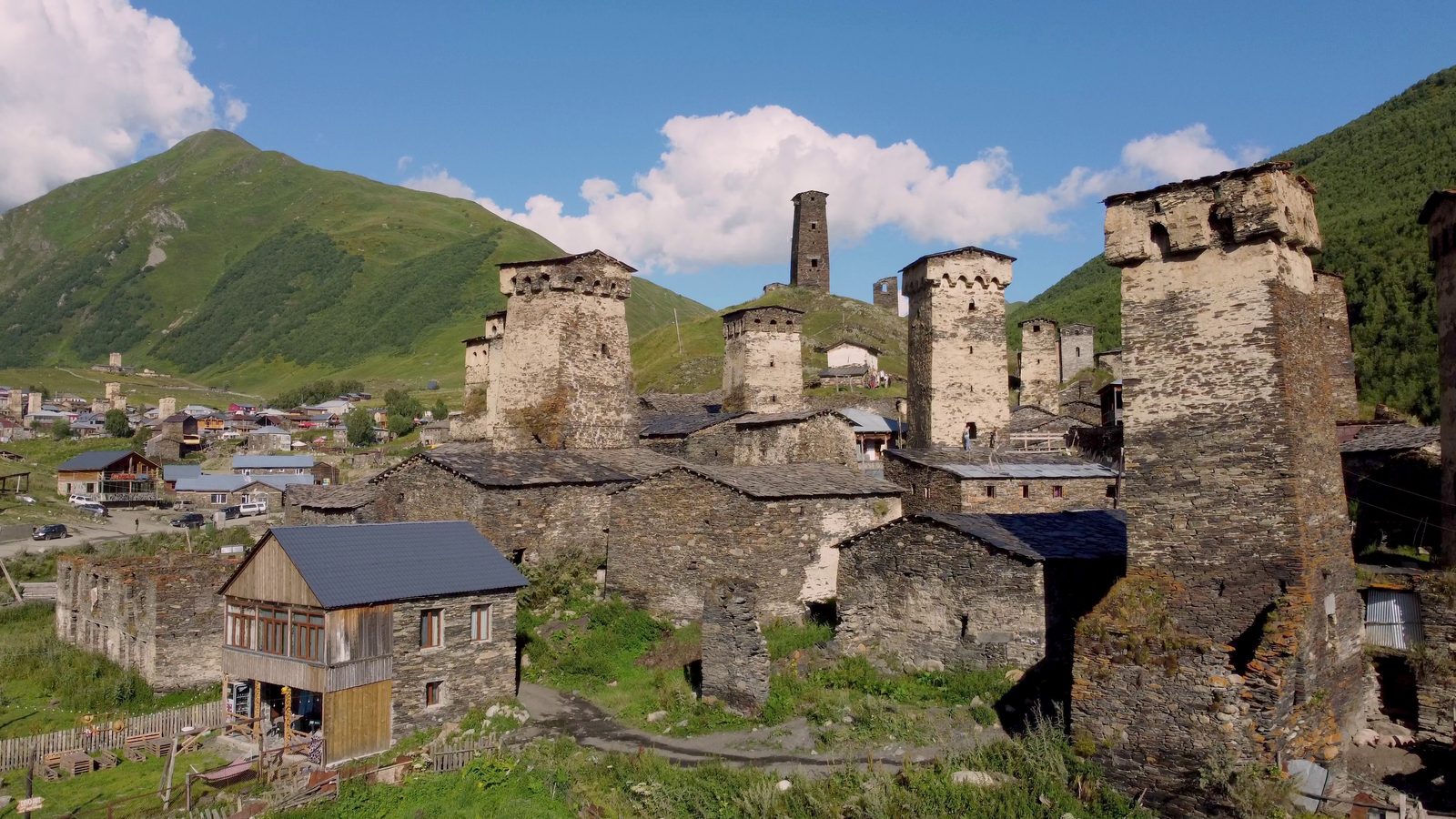
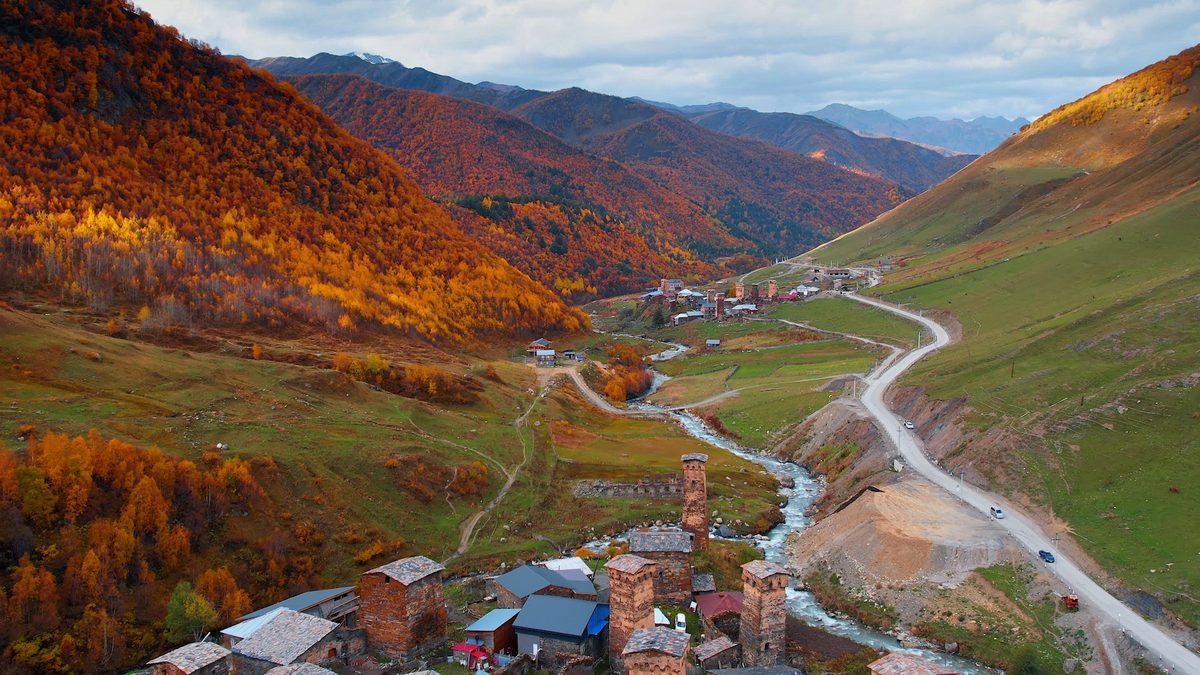
Ushguli is a community of five villages in the Svaneti region of the Caucasus in Georgia, at about 2,100 metres. It is famous for its Svan towers, tall stone defensive houses. The 47 km road from Mestia has been sealed since 2024 according to recent reports, so you can go by car, taxi, shared minibus or on foot. The area is snowed in for months, so go between June and October.
Facts last checked: November 2026. Prices, fees and rules change, so confirm with official sources before you go. How we check.
Watch Ushguli first
The short video, then the full guide below. The video loads from YouTube only when you press play.
Subscribe on YouTubeVillages of stone towers
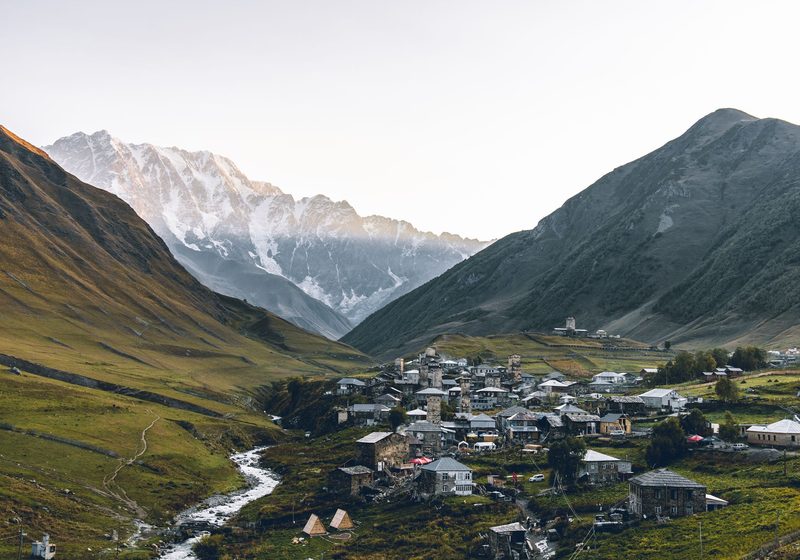
Ushguli sits at the head of the Enguri gorge, at about 2,100 metres, near the foot of Mount Shkhara, one of the highest summits of the Greater Caucasus. It is part of the Upper Svaneti World Heritage Site, listed by UNESCO in 1996.
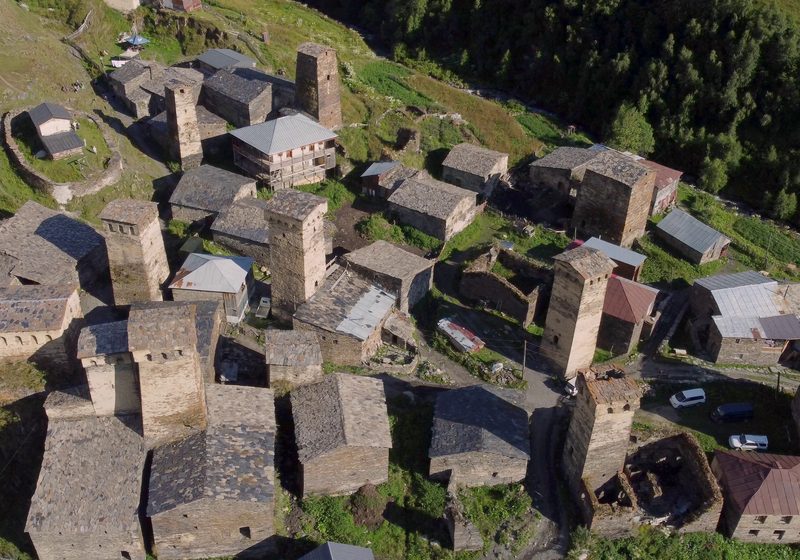
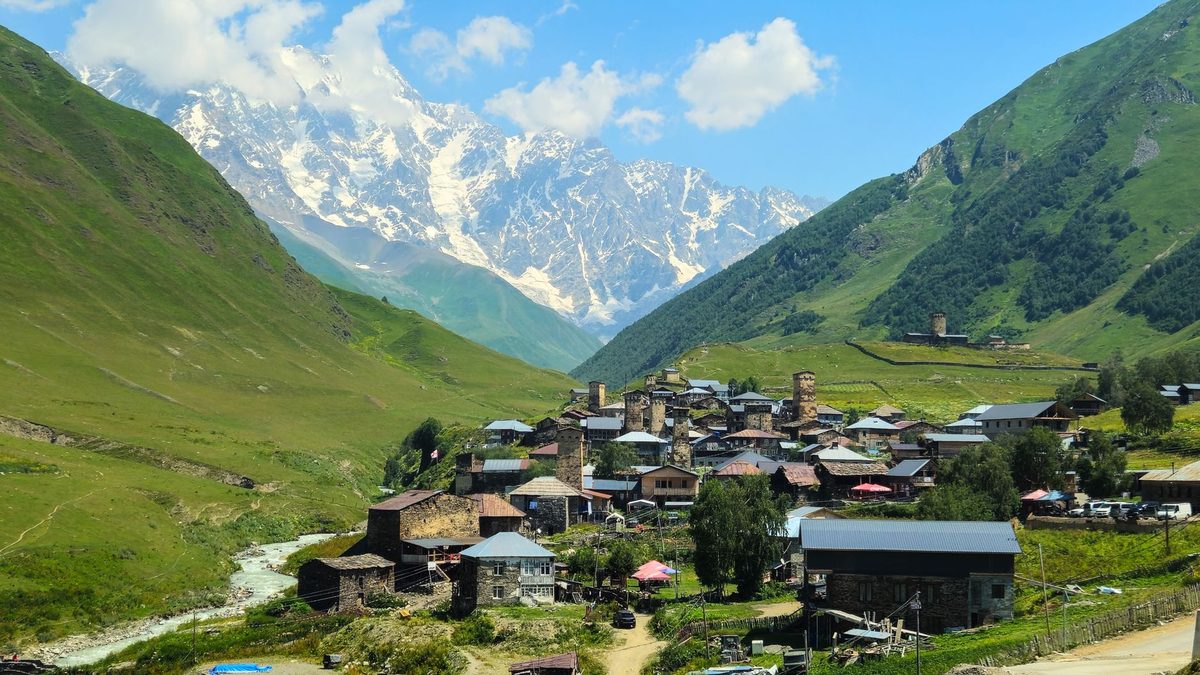
Svan towers are defensive tower houses three to five storeys high, built mostly between the 9th and 12th centuries. The village of Chazhashi alone has more than 200 of them and is protected as a museum-reserve.
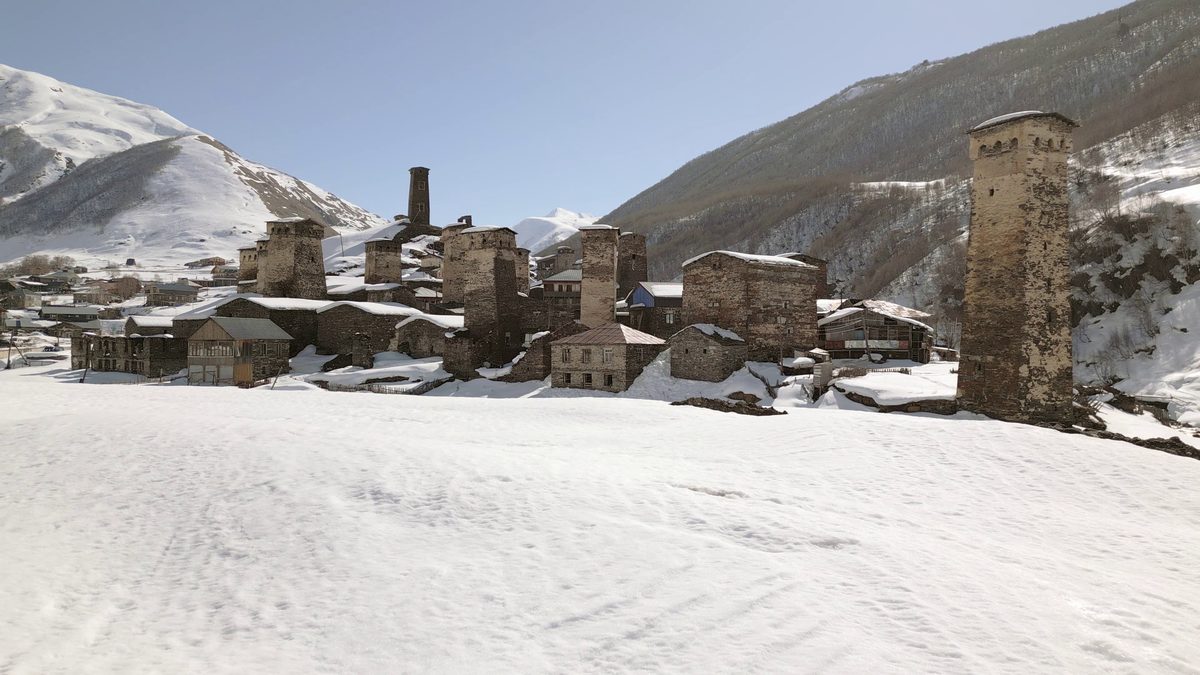
Only about 200 people live here, in around 70 families. The area is snow-covered for six months of the year, and the road to Mestia is often impassable in winter. On a hilltop above Zhibiani stands the 12th-century Lamaria church, with frescoes from the Georgian Golden Age.
Advertisement
What to see
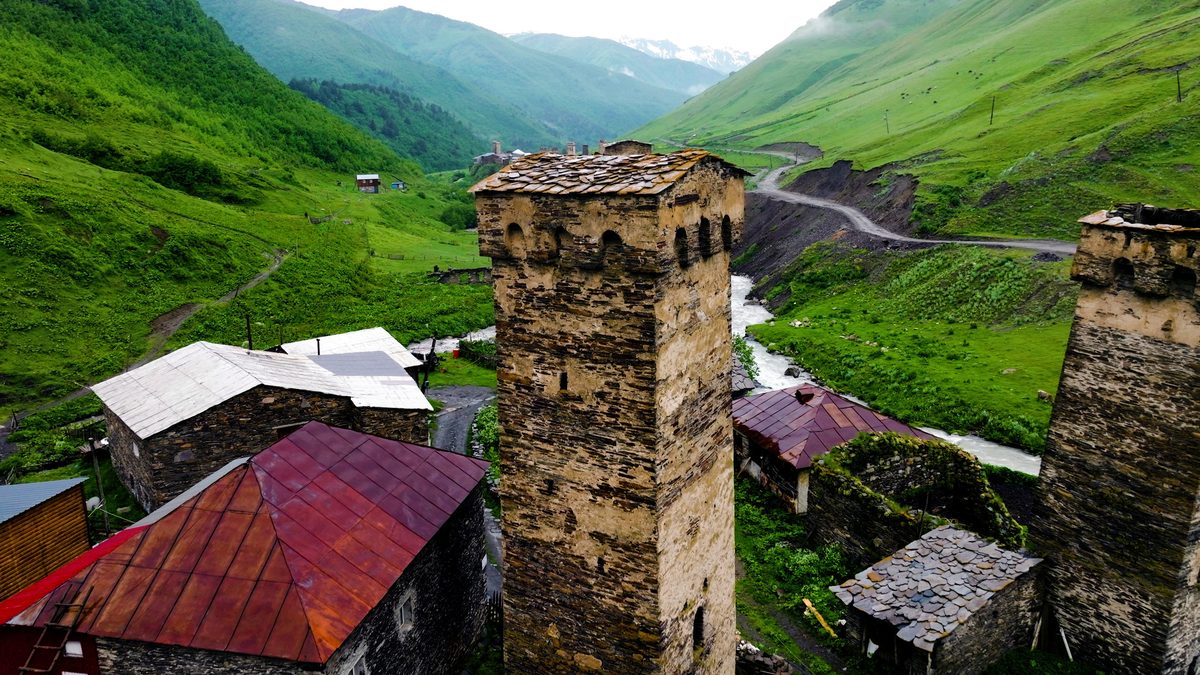
- Chazhashi: the best-preserved village, with over 200 Svan towers.
- Lamaria church: a 12th-century church on a hilltop, named after the Svan goddess Lamaria, with old frescoes.
- Mount Shkhara: the glaciated peak at the head of the valley. Its base is a long day's walk away.
- The Enguri river: the river rising nearby and running through the valley.
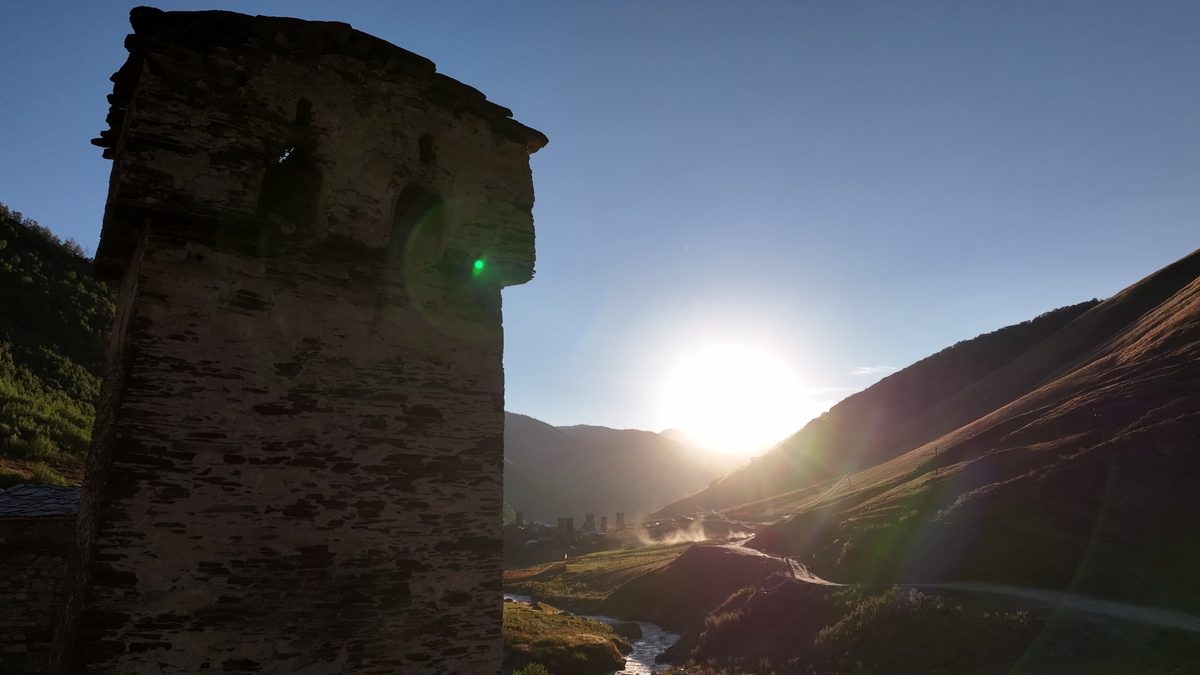
- The towers: walk between them at golden hour for the best light.
These are working villages. Do not enter private courtyards without permission, and ask before photographing locals.
One day (or four days on foot)
Most visitors come from Mestia for a day or overnight. Keen walkers hike the four-day trek from Mestia to Ushguli.
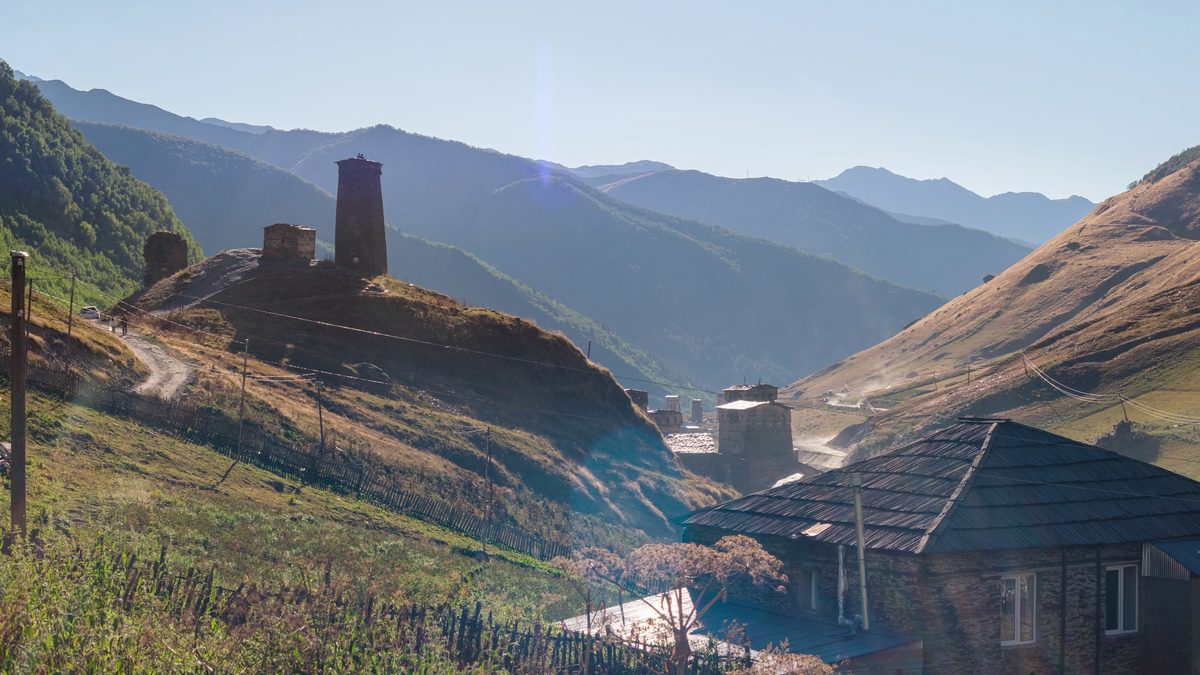
- MorningLeave Mestia early by 4x4, taxi or shared minibus. Allow 2 to 4 hours, depending on the road.
- Late morningWalk through Chazhashi and its towers.
- MiddayLunch at a guesthouse, then walk up to Lamaria church.
- AfternoonWalk along the river, or on towards the glacier if you have time.
- EveningStay for the night if you can, to see the villages at sunset.
Advertisement
Where it is and how to get there
Ushguli is in Upper Svaneti, in the Caucasus mountains of north-west Georgia.
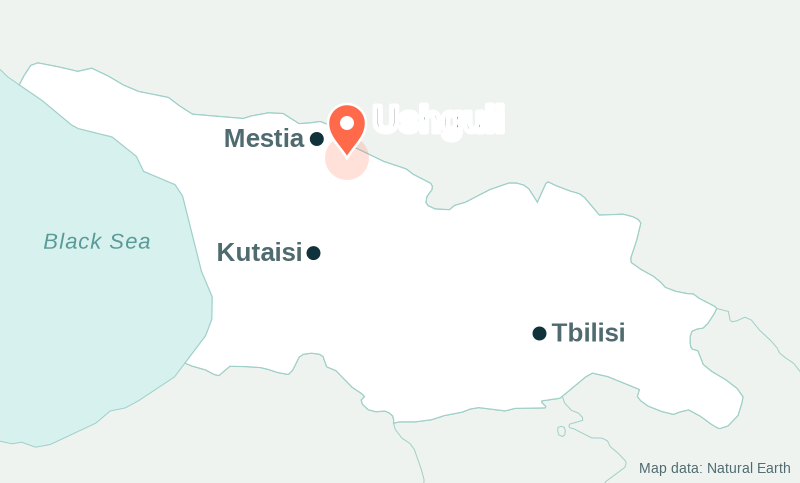
- To Mestia Direct minibuses (marshrutkas) run from Tbilisi (50 to 60 GEL, 9 to 10 hours), from Kutaisi (about 45 GEL, 6 to 6.5 hours) and from Zugdidi (30 to 40 GEL, about 4 hours). Check the times locally.
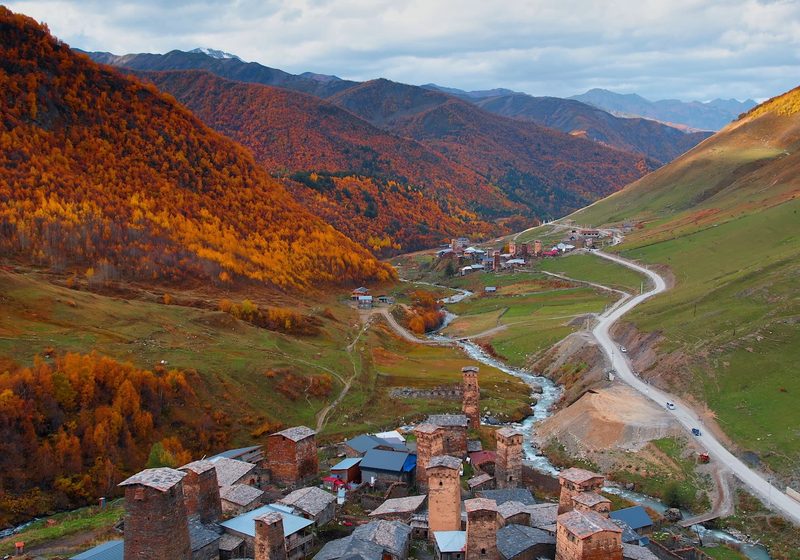
- Mestia to Ushguli A July 2026 report describes the 47 km road as sealed, finished in 2024, and a May 2026 route page calls it good concrete. Older guides say a 4x4 is needed, and we found no recent source that requires one. A taxi cost roughly 150 to 200 GEL a car one way in older guides, and a shared minibus is cheaper. Ask in Mestia about the current road and any snow or avalanche closures.
- On foot The Mestia to Ushguli trek takes about four days, with homestays on the way. The season runs from June to October, and mid-September is a popular choice.
- Winter The road is often closed by snow. Check the conditions before you plan a winter visit.
Good to know: the road and prices change with the season. Check the current situation in Mestia, and leave plenty of time.
Where to stay
Ushguli
Family guesthouses in the villages. Staying a night means you get the evening and morning light.
Best for: sunset and a quiet morningMestia
The base town, with more hotels, restaurants and tour offices.
Best for: a base for the regionWhen to go
- June to October The best time. The road is more reliable and the trek is open. Mid-September is a popular choice, with fewer people.
- July and August The busiest months.
- Winter Snow for about six months a year, and the road to Mestia is often impassable.
Advertisement
Our tips for Ushguli
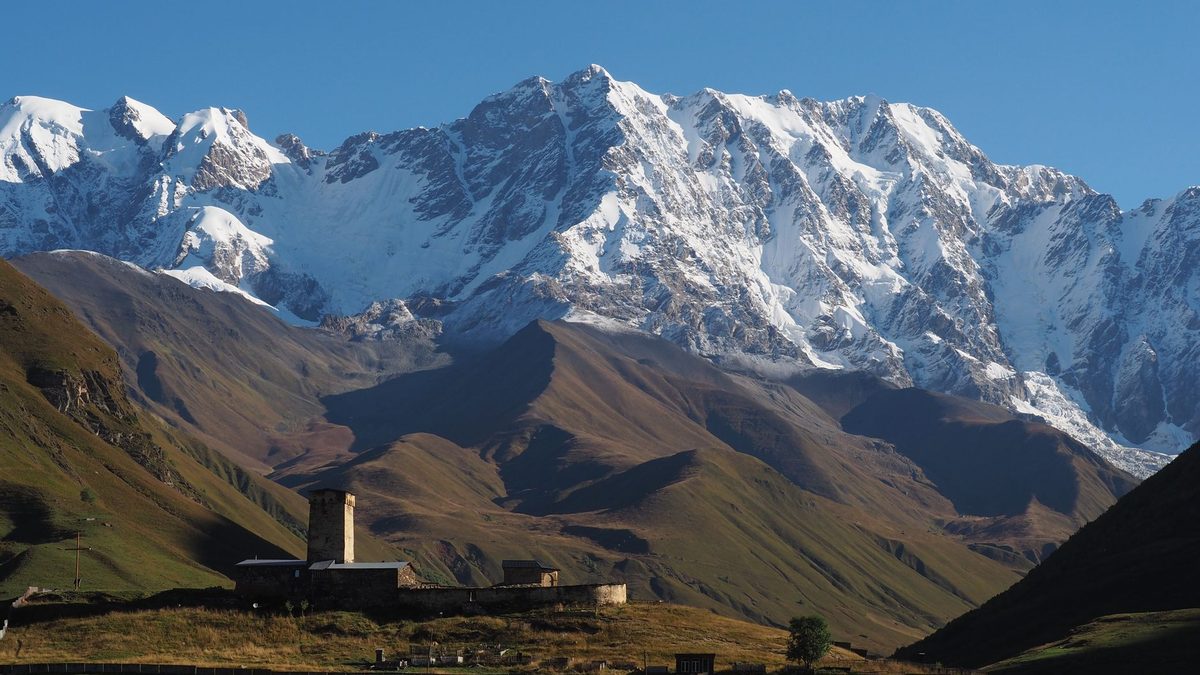
- Stay a night. The villages are best in the early and late light.
- Check road conditions. They change with the weather.
- Bring warm clothes. It is cold at 2,100 metres, even in summer.
- Respect the villagers. Ask before entering courtyards or taking photos.
- Carry some cash. There are few ATMs.
Don't make these mistakes
- Trying to do it as a quick day trip. The drive takes hours each way.
- Going in winter without checking. The road can close.
- Expecting no snow closures. The road past Ushguli has traditionally closed in winter, and sections have been restricted for avalanche risk.
- Not booking transport back. Shared minibuses run at set times.
- Skipping Lamaria church. It is one of the oldest buildings in the area.
Quick answers
How do I get from Mestia to Ushguli?
By car, taxi, shared minibus or on foot. Recent reports say the road is sealed, though older guides recommended a 4x4.
How high is Ushguli?
About 2,100 metres.
How old are the towers?
Most Svan towers were built between the 9th and 12th centuries.
Can I visit in winter?
Possibly, but the area is snowed in for about six months and the road is often impassable.
How many people live there?
About 200, in around 70 families.
How do I get to Ushguli from Tbilisi or Kutaisi?
Take a minibus (marshrutka) to Mestia first: from Tbilisi it costs about 50 to 60 GEL and takes 9 to 10 hours, and from Kutaisi about 45 GEL and 6 to 6.5 hours. Then go on to Ushguli by taxi, 4x4 or shared minibus, on a 47 km road that reports describe as sealed since 2024. In summer you can also reach Ushguli from Kutaisi over the Zagari Pass, about 160 km and roughly 4 hours, usually open from late May to mid October. Check the road conditions and rental rules first.
Before you go
Have data when you land
Maps and transport times on your phone before you head into the mountains.
Get your eSIMAdvertisement
 Katskhi Pillar
 Vardzia
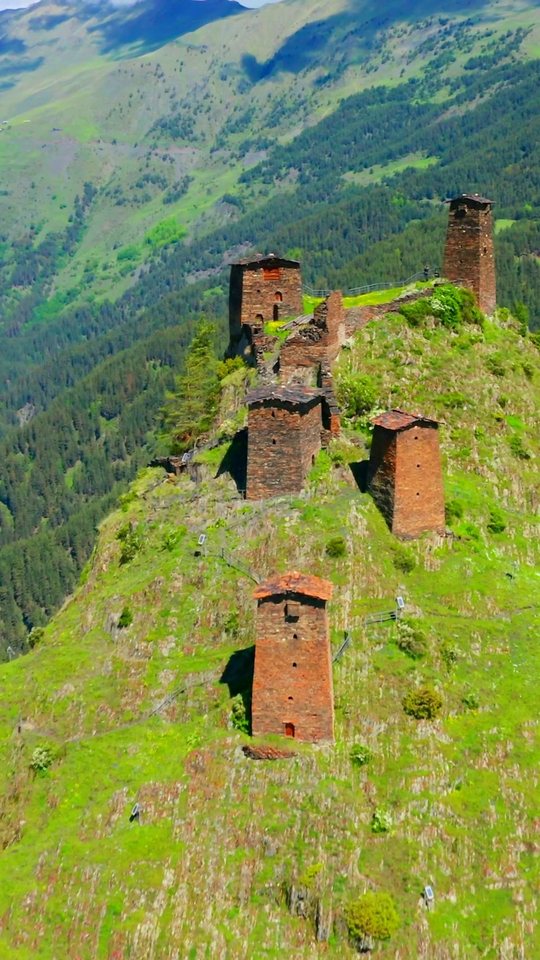 Tusheti
 Rastoke & Plitvice
 Yamadera
 Trolltunga
 Palawan
 Shirakawa-go
 Koh Rong
 Hallstatt
 Civita di Bagnoregio
 Chefchaouen