 Hidden Gems
 Italy · On our TikTok
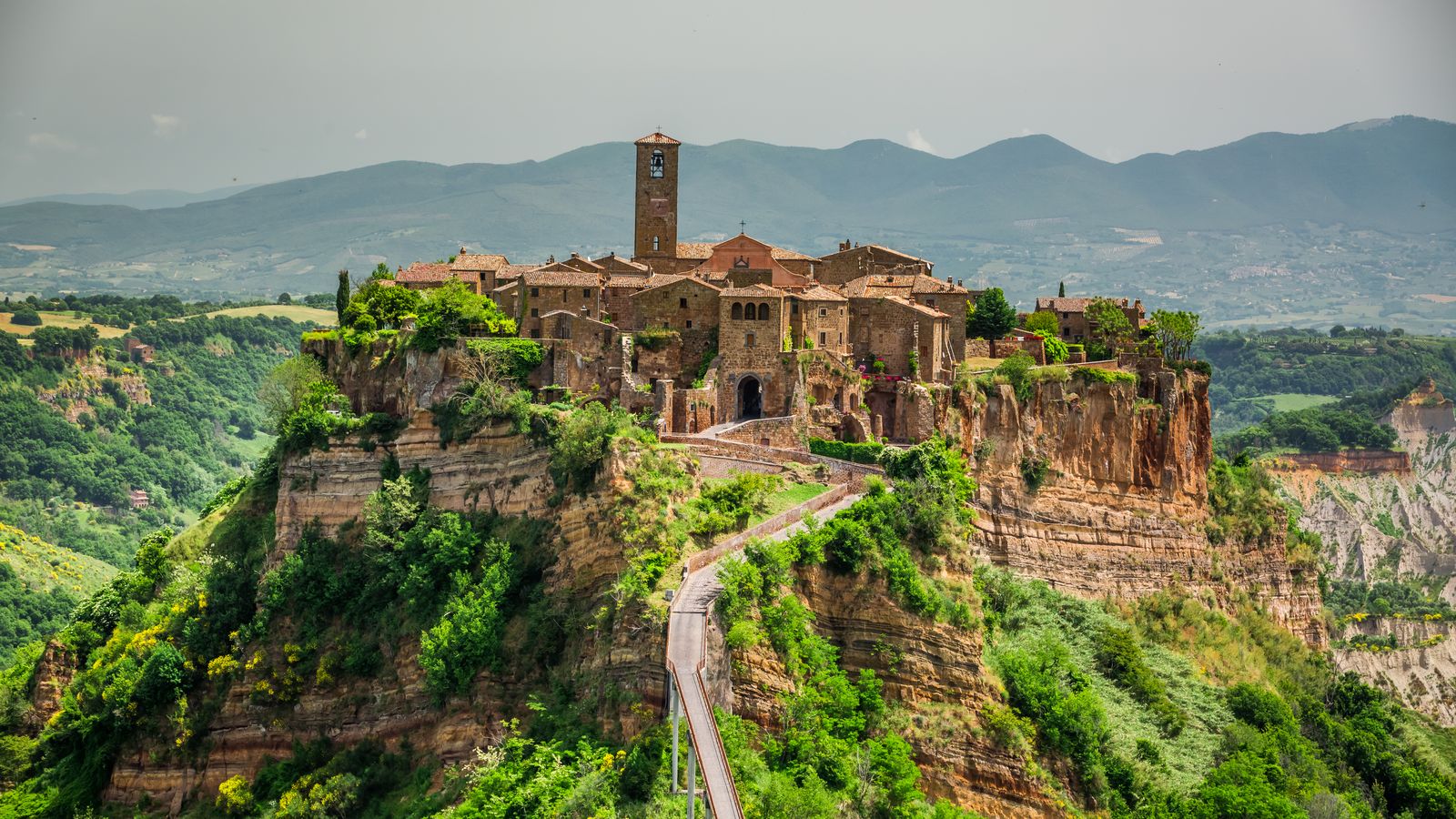
The village that's slowly falling off its cliff
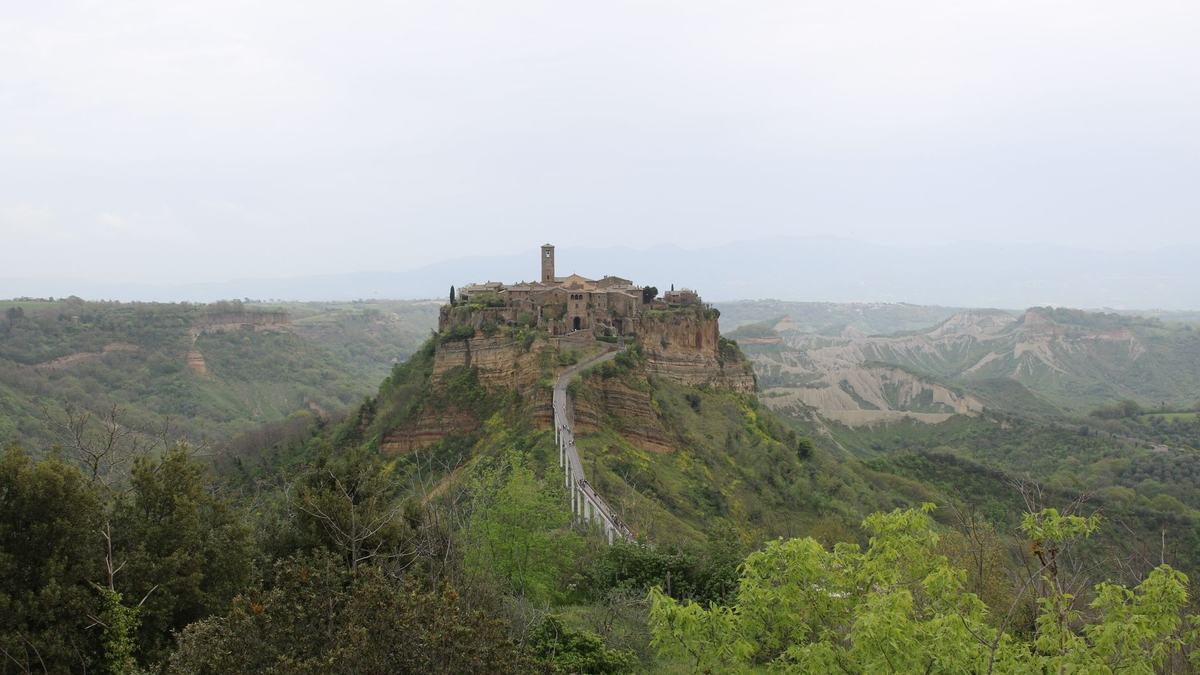
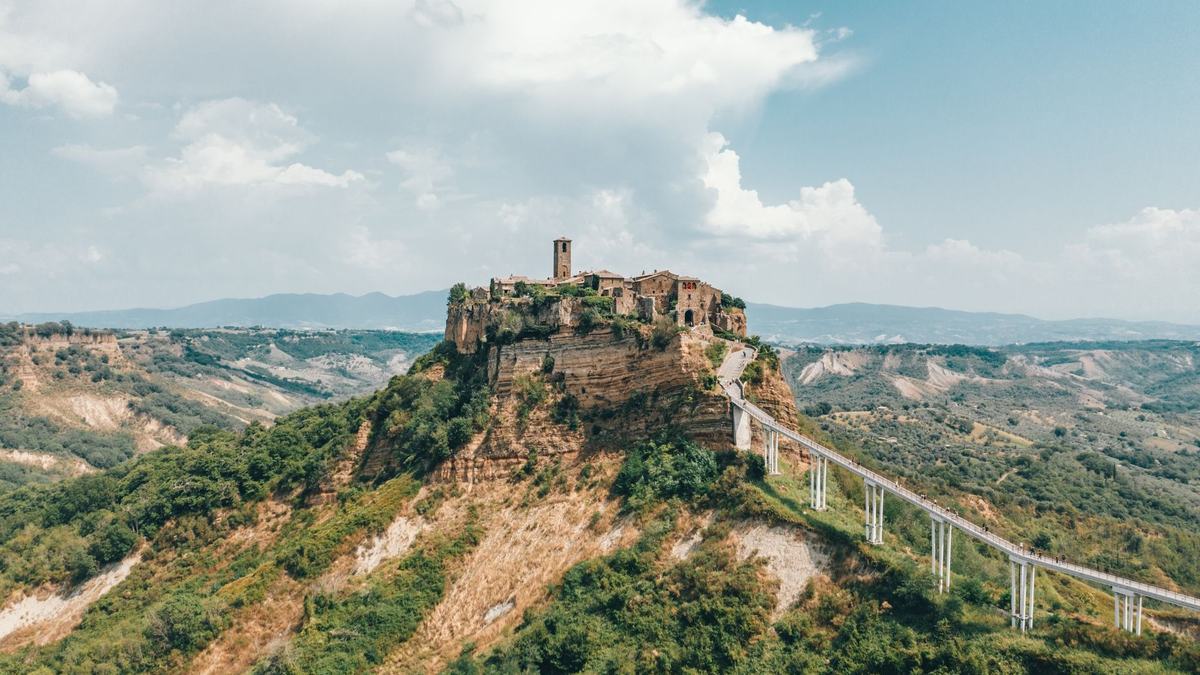
Picture a medieval village balanced on a crumbling rock tower, with nothing around it but an empty valley. The only way in is a long, steep footbridge across the gap. That's Civita.
The Etruscans built here more than 2,500 years ago. The problem is the ground: soft volcanic rock and clay that wind and rain wear away every year. Houses at the edge have crumbled into the valley over the centuries, and an earthquake in 1695 cut the village off.
That's why Italians call it "la città che muore", the dying city. Only a handful of people still live here all year.
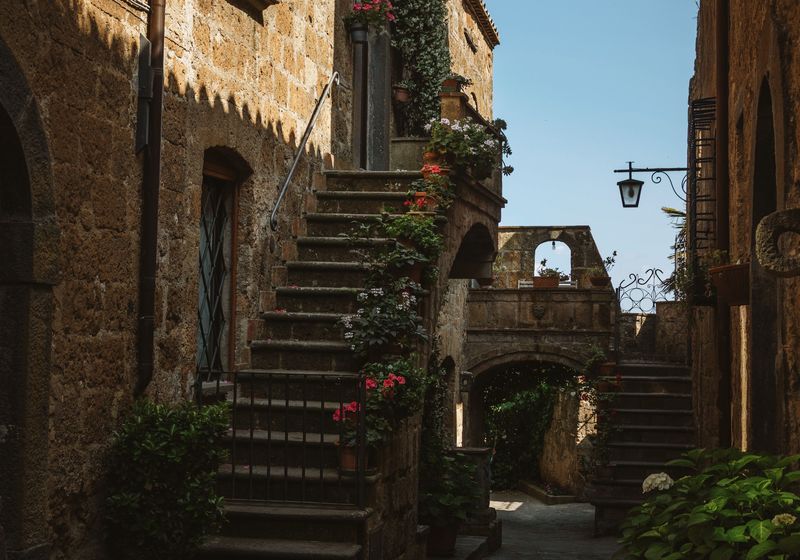
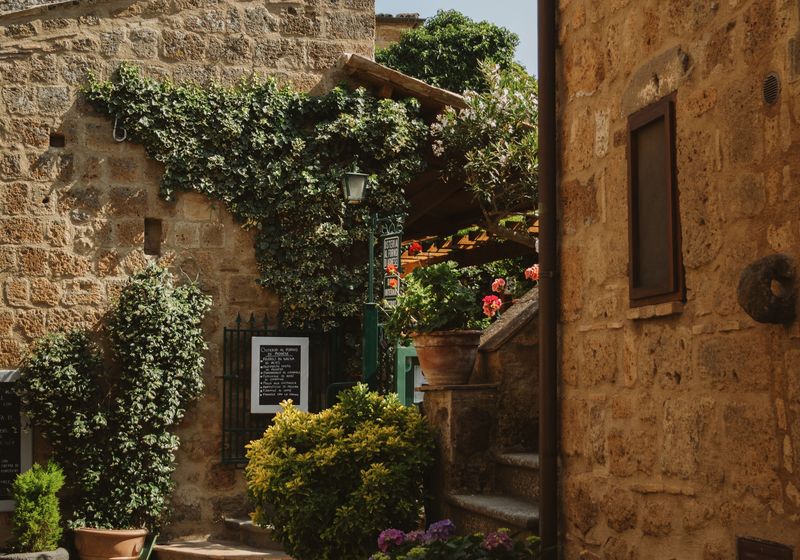
What to see
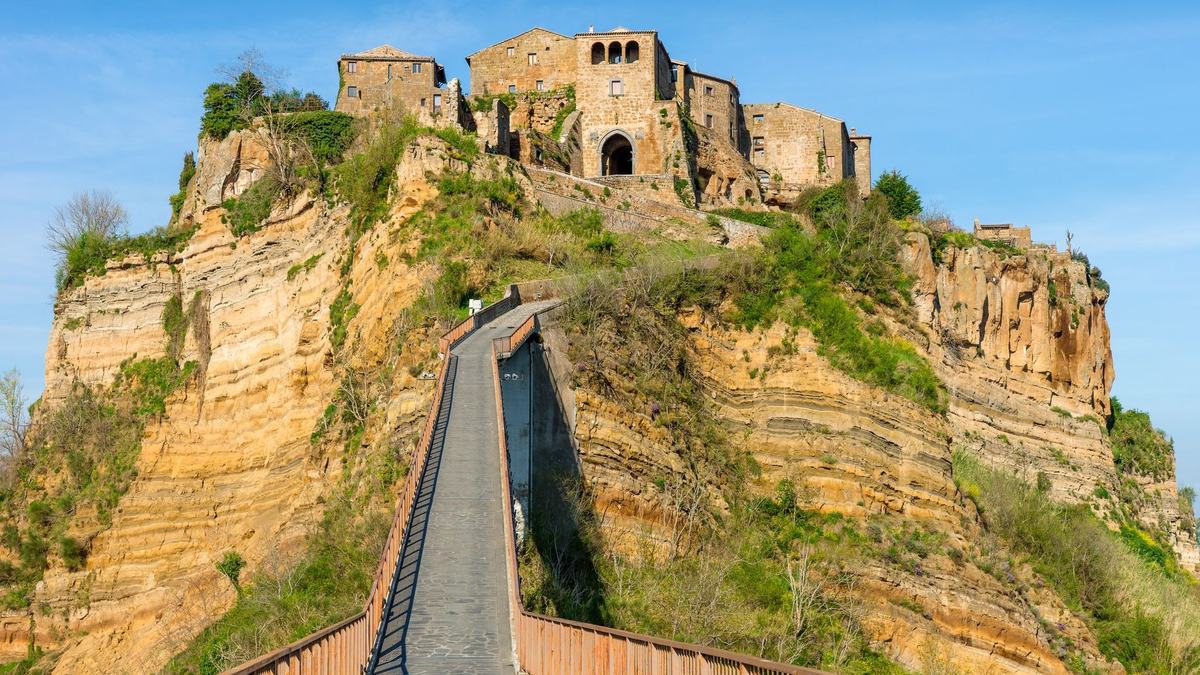
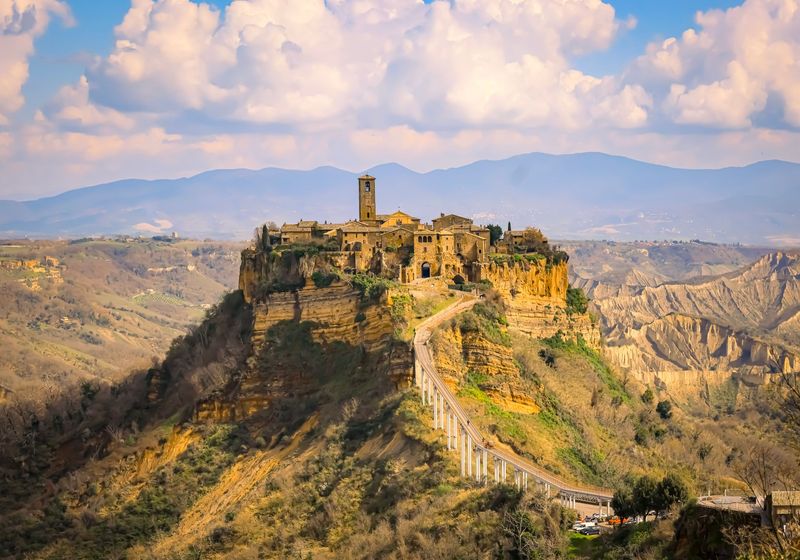
- The bridge walk: the footbridge climbs steeply toward the village. Stop halfway and look back at the valley.
- Porta Santa Maria: the old stone gateway at the top of the bridge, the only way into the village.
- Piazza San Donato: the little main square, with its church at the heart of the village.
- The edge of the village: walk to the far end, where the lanes stop at the cliff and the valley drops away below.
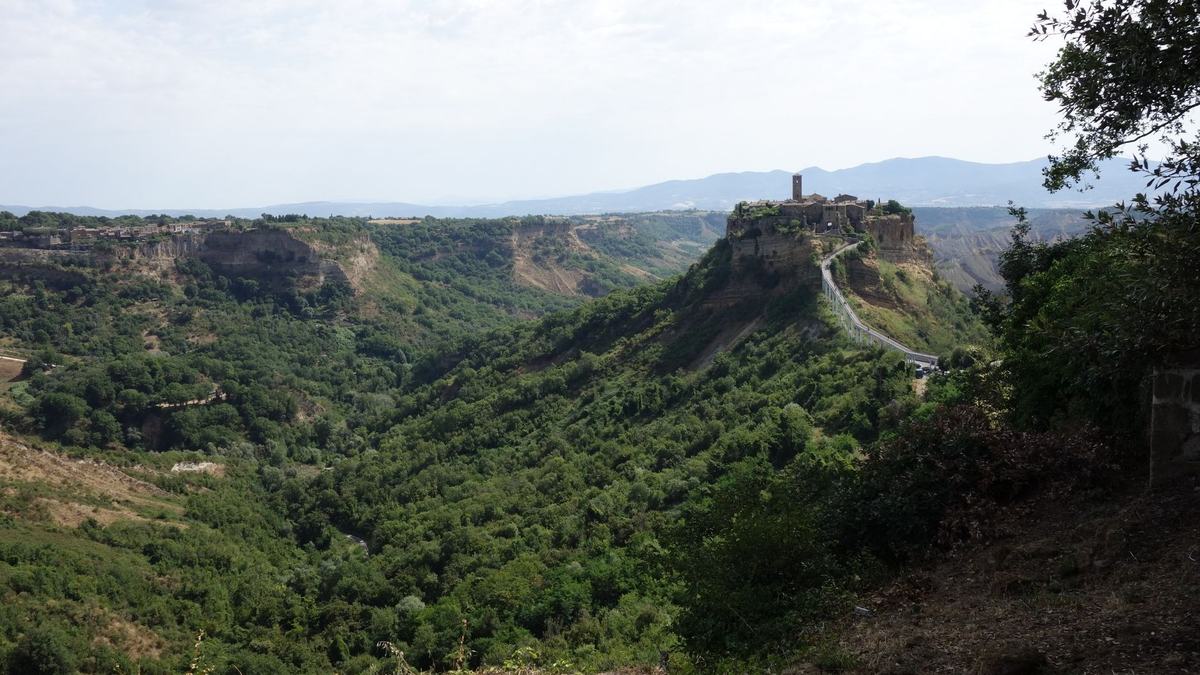
- The Calanchi valley: the eroded clay ridges all around. The viewpoint in Bagnoregio gives the classic view of the village and the bridge.
Civita is tiny. You'll see it all in two hours, but you come for the atmosphere, so don't rush.
The perfect day in Civita
Pair it with Orvieto, the hilltop town where the bus starts. Or better still, stay the night inside the village.
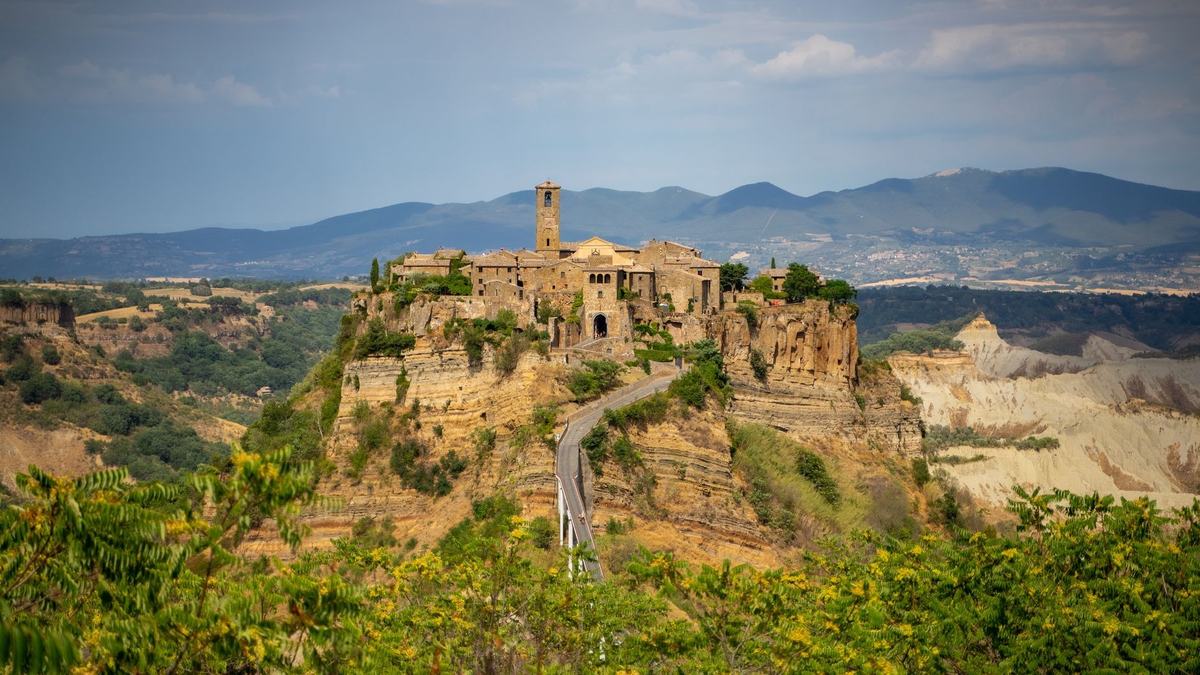
- MorningExplore Orvieto's cathedral and old town while it's still cool.
- MiddayTake the bus to Bagnoregio and have lunch in town.
- AfternoonWalk across the bridge into Civita, then wander to the far edge where the valley drops away.
- Late afternoonSit with a drink in the square as the day-trippers leave.
- SunsetStaying the night? Walk back out to the Bagnoregio viewpoint for the classic shot in golden light.
Where it is and how to get there
Civita is in northern Lazio, close to the borders with Umbria and Tuscany.
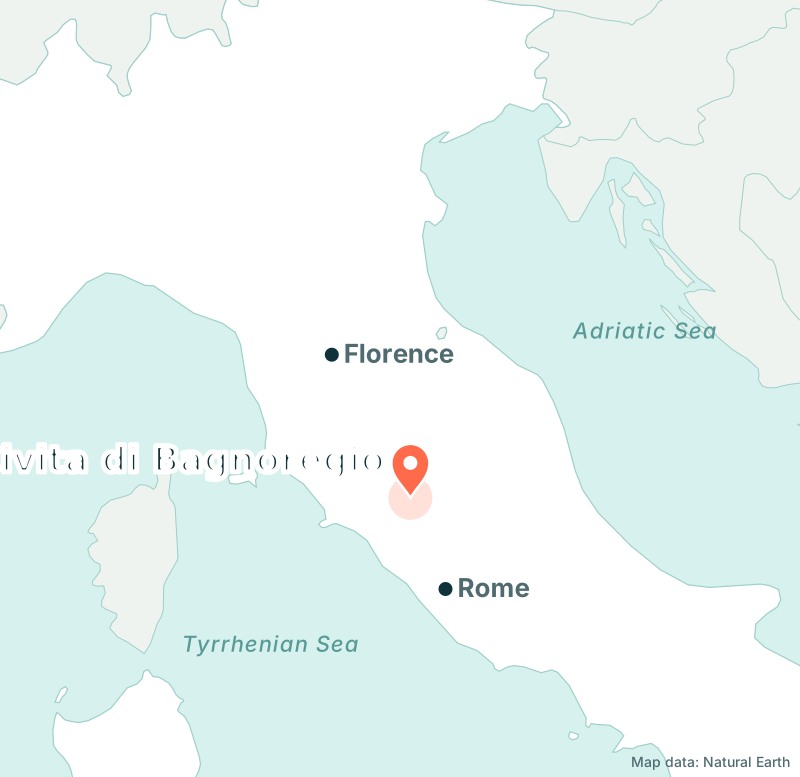
- By train Rome to Orvieto takes about an hour to an hour and 20 minutes.
- By bus Cotral buses run from Orvieto station to Bagnoregio in about 45 to 60 minutes. Fewer run on weekends and holidays.
- By car About 2 hours from Rome. Park in Bagnoregio and walk or take the shuttle to the bridge.
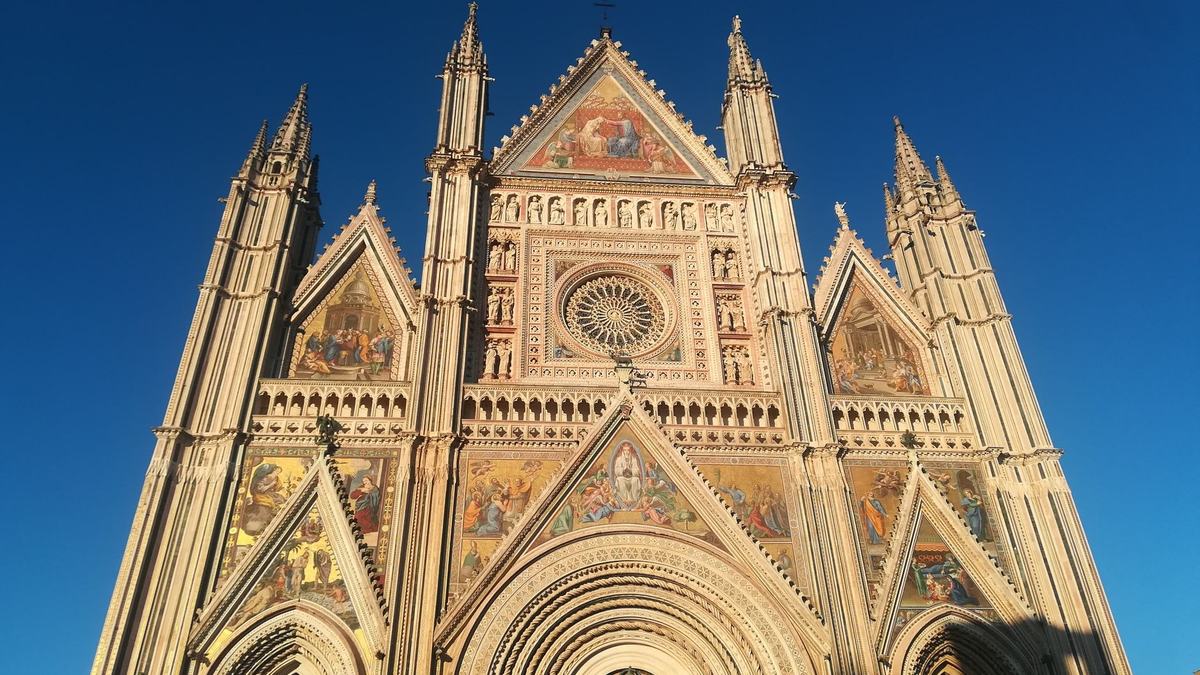
Tickets: entry is €5, paid at the ticket office at the start of the bridge or online. Children under 6 and guests staying in the village get in free.
Where to stay: inside Civita or nearby?
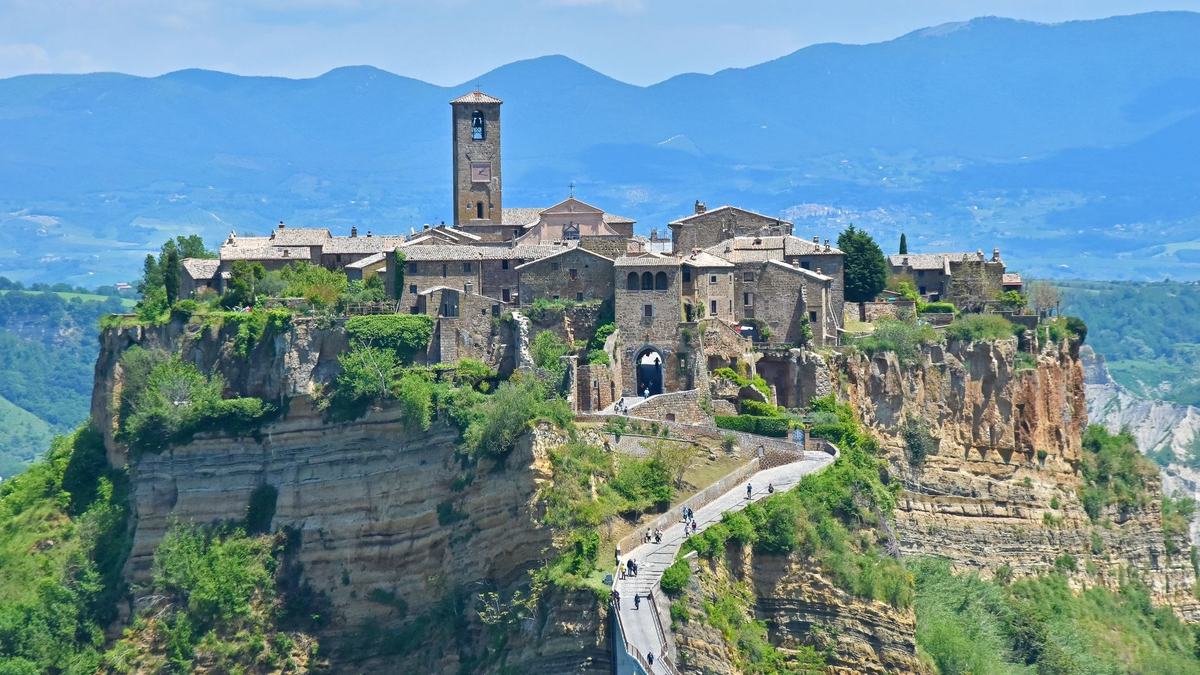
Inside Civita
A few B&Bs in old stone houses. After dark it's just you, the cats and the silence. Book early.
Best for: the full magicBagnoregio or Orvieto
More choice, more restaurants and easier transport. Orvieto makes a great base for the region.
Best for: flexibility and day tripsWhen to go
- Spring April to June. A green valley, wildflowers and mild weather.
- Summer July and August. Hot and busy, and the bridge has no shade. Go early.
- Autumn September to November. Soft light and morning mist in the valley. Our favourite.
- Winter Quiet and atmospheric, but there are fewer buses and some places close.
Our tips for Civita di Bagnoregio
- Stay the night. There are a few B&Bs inside the village, and overnight guests don't pay the entry fee. After the day-trippers leave, it's silent.
- Come early for the mist. On autumn and winter mornings fog can fill the valley, and the village seems to float on a sea of clouds.
- Check the bus before a weekend trip. Cotral buses from Orvieto don't always run on weekends and holidays.
- Bring water in summer. There's no shade on the bridge.
- Pair it with Orvieto. The hilltop town where the bus starts is worth a few hours on its own.
Don't make these mistakes
- Arriving at midday in summer. There's no shade on the bridge, and that's when the tour buses come.
- Wearing the wrong shoes. The bridge is steep and the lanes are old, uneven stone.
- Only seeing the main street. Walk to the far end of the village for the real views.
- Skipping the viewpoint in Bagnoregio. It's where the famous photo of the bridge is taken.
- Coming on a holiday weekend without booking. Italians love Civita too, and it gets packed.
Quick answers
How long do I need?
Two to three hours in the village. Add Orvieto for a full day, or stay the night.
Can I get there without a car?
Yes. Train to Orvieto, Cotral bus to Bagnoregio, then walk. Check the bus times first.
Is the bridge hard to walk?
It's about 300 metres and steep near the top, but paved. Most people manage fine at a slow pace.
Does anyone still live there?
Yes, a handful of people all year, and a few more in summer.
A note on prices: fees, opening hours and timetables change, and we update them every year. The details in this guide were checked in autumn 2026 and may be different by the time you travel, so please confirm them on the official website before you book.