 Northwest Vietnam
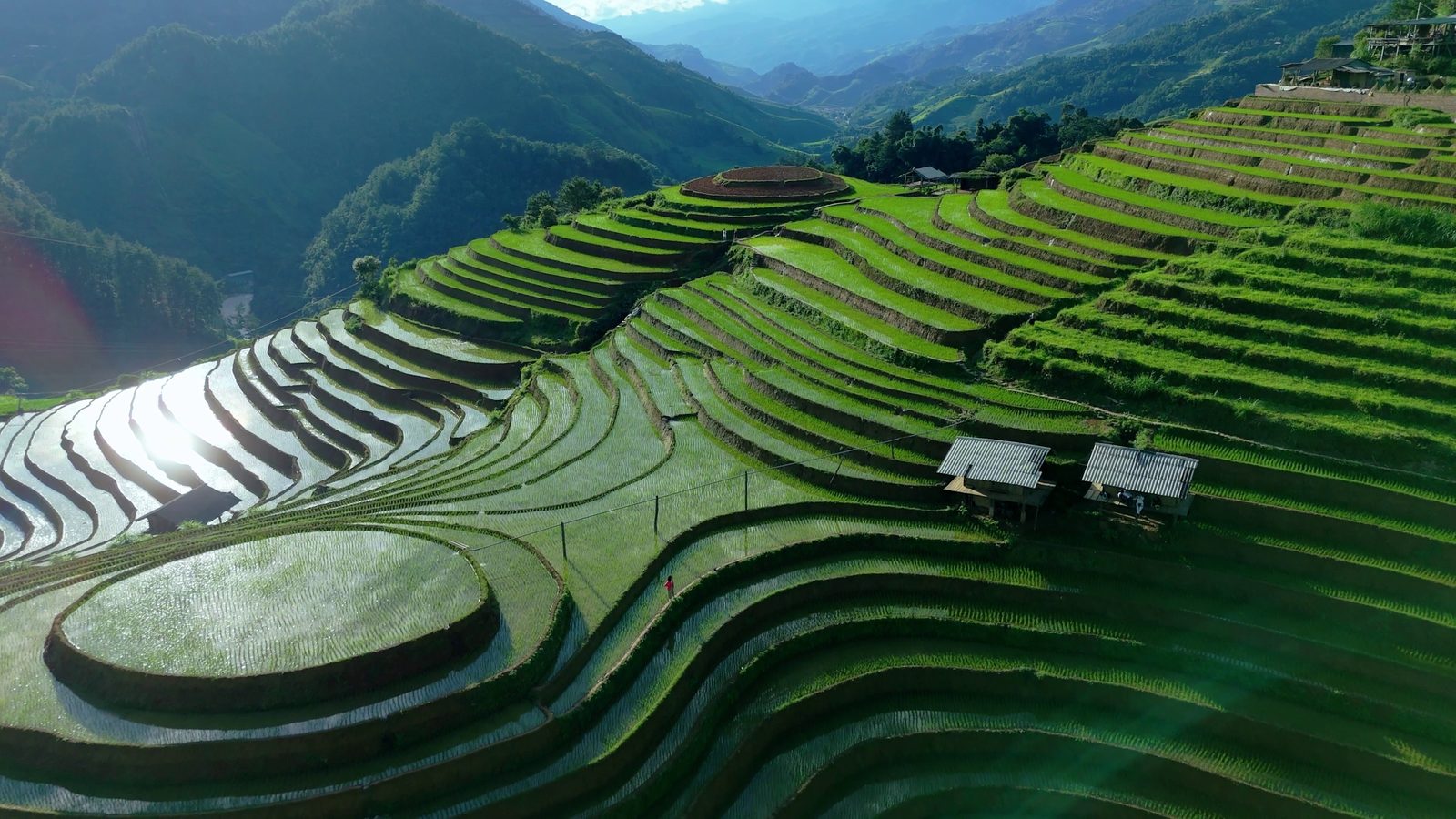
Mù Cang Chải is a district in northwest Vietnam where Hmong farmers have carved about 2,200 hectares of rice terraces into the mountainsides, recognised as a national heritage site in 2007. The terraces turn gold from about mid-September to early or mid-October. It is a long trip from Hanoi, 7 to 9 hours by road, over the Khau Phạ Pass. Stay in a homestay and plan at least two days.
Facts last checked: October 2026. Prices, fees and rules change, so confirm with official sources before you go. How we check.
Watch Mu Cang Chai first
The short video, then the full guide below. The video loads from YouTube only when you press play.
Subscribe on YouTubeTerraces built by hand
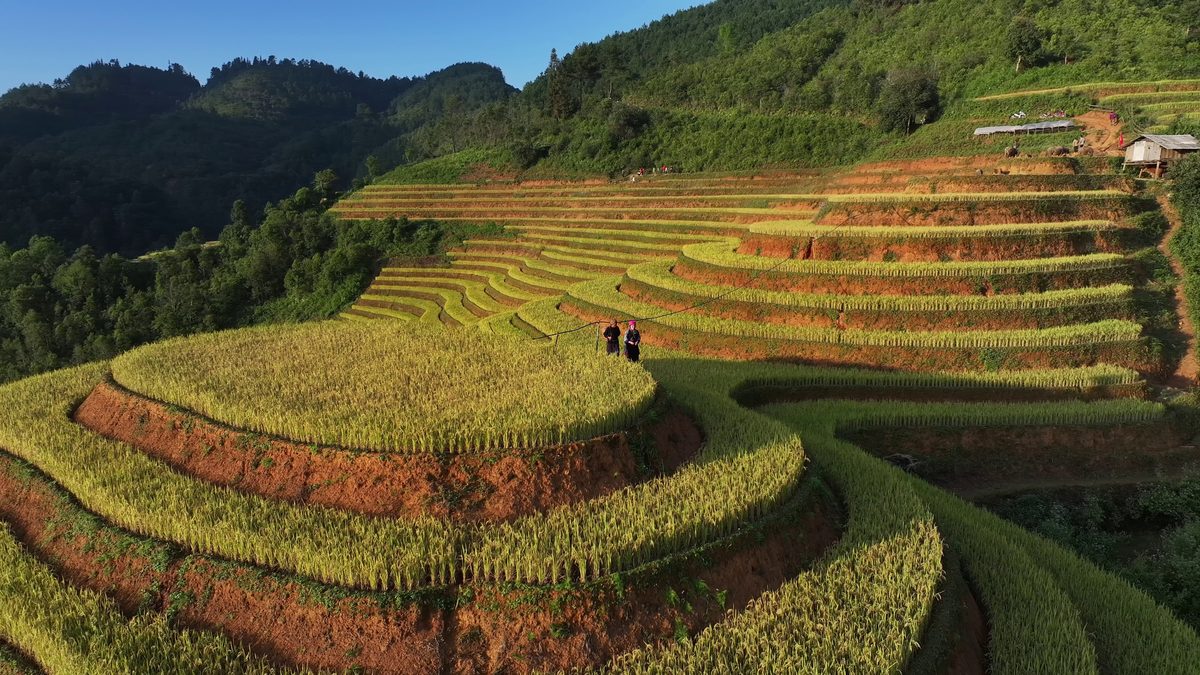
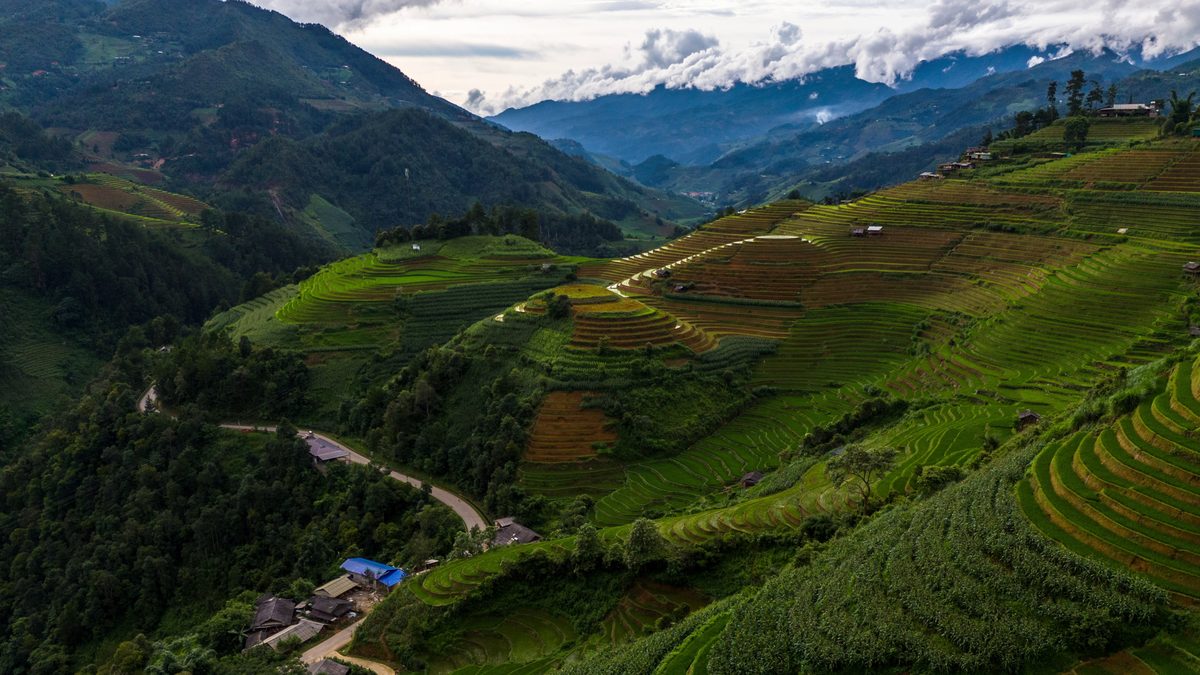
The Hmong people built the terraces by levelling the steep land into layers that hold water. Together they cover about 2,200 hectares of the mountainside, and Vietnam named them a national heritage site in 2007.
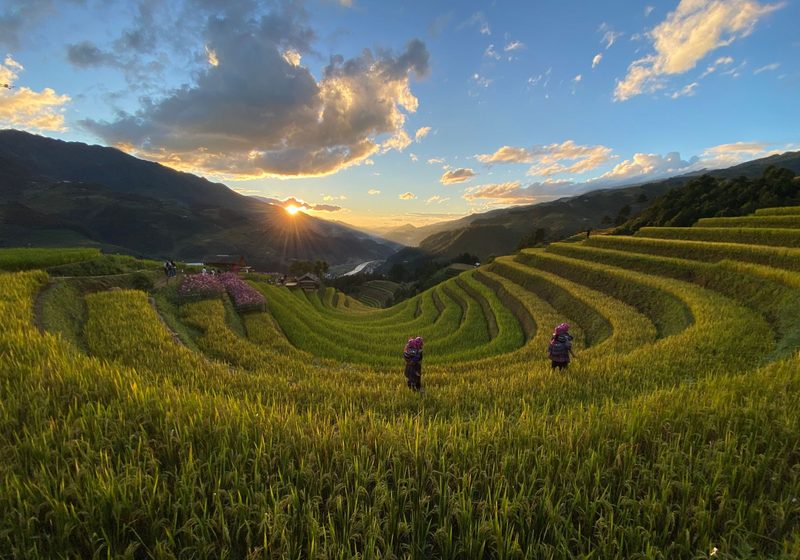
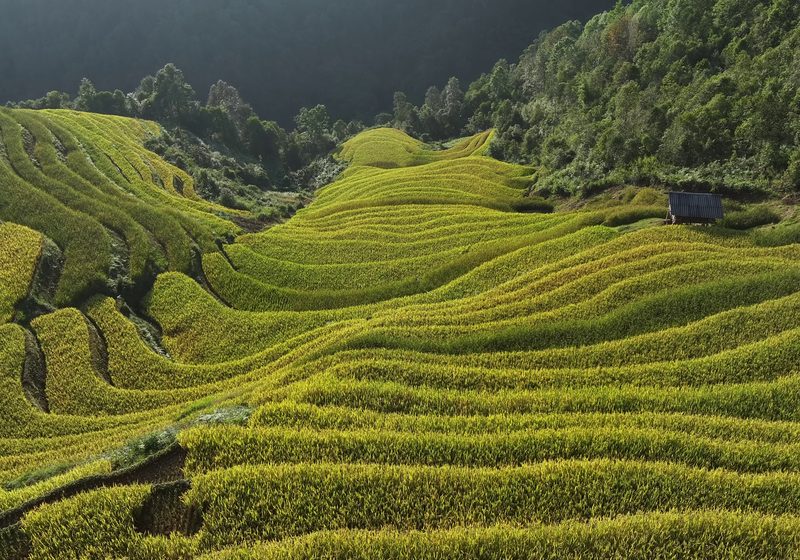
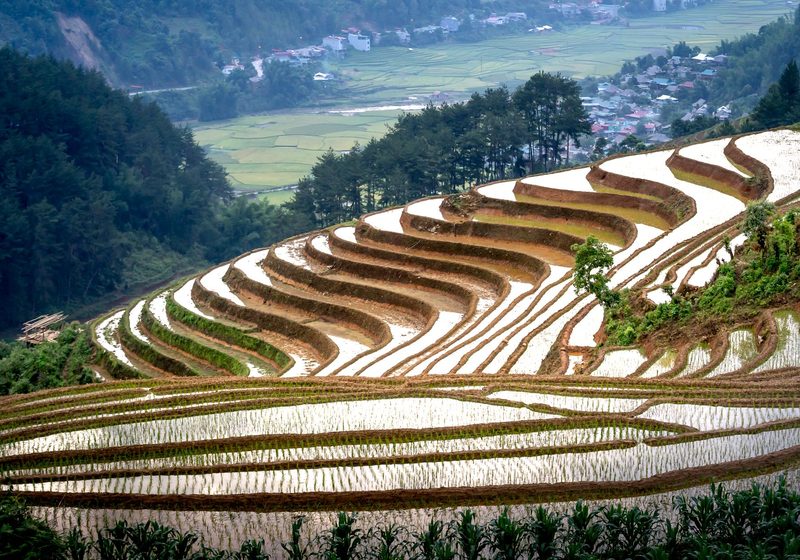
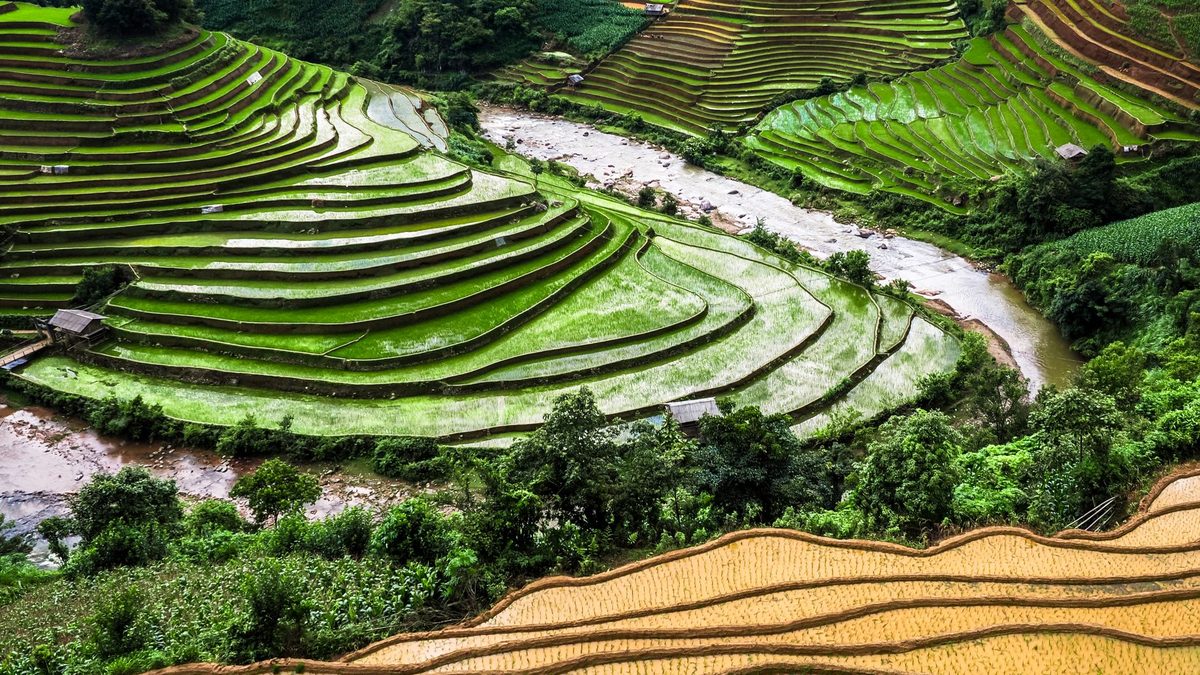
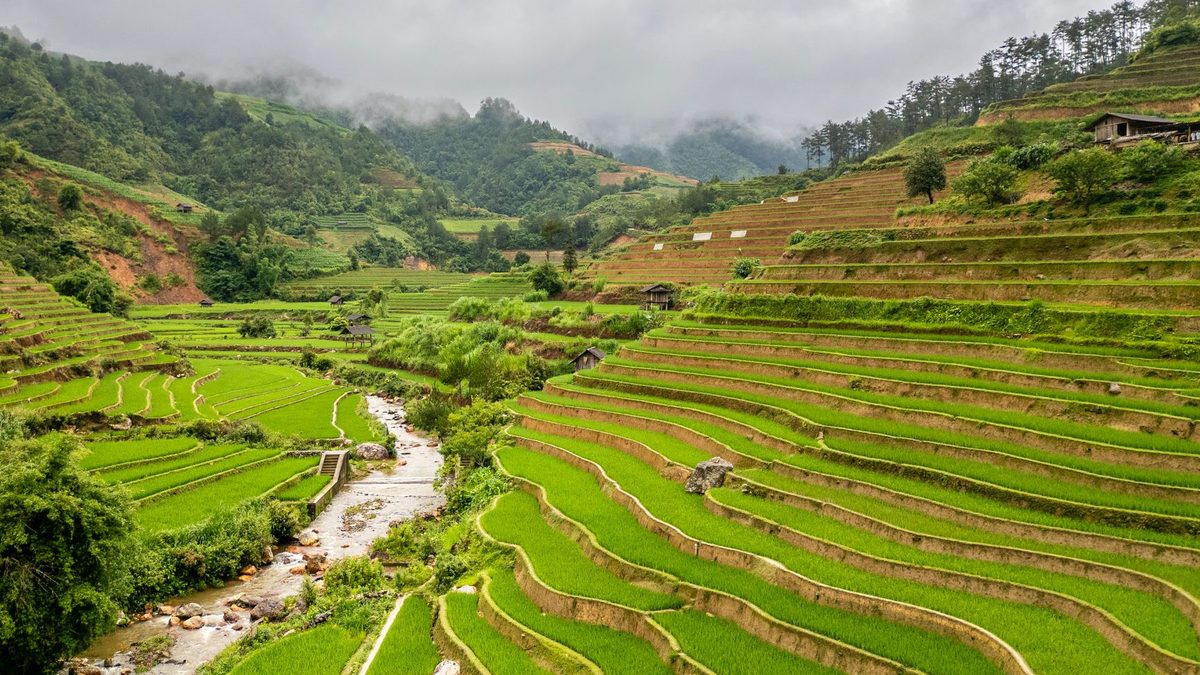
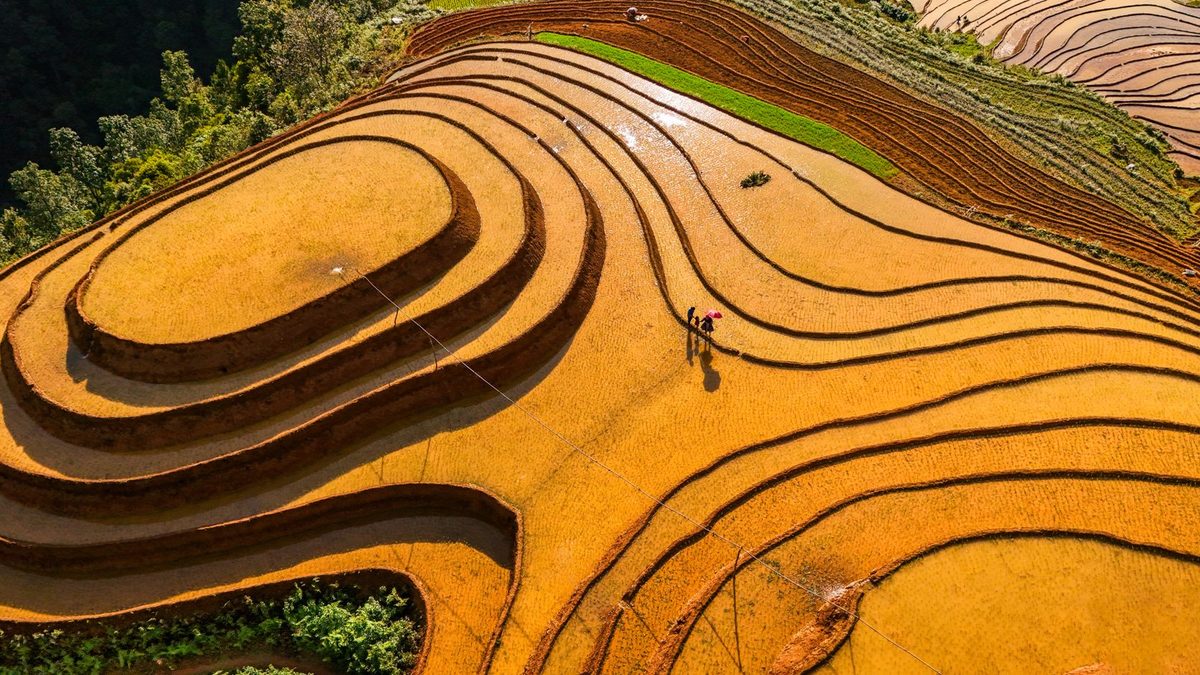
The colours change through the year. In late May and June, the flooded terraces mirror the sky. In July and August they are bright green. From about mid-September to early October, they turn gold for the harvest.
To get here you travel over the Khau Phạ Pass, one of the great passes of northwest Vietnam. Local festivals around the harvest in autumn include a paragliding festival, according to one guide.
Advertisement
What to see
- Khau Phạ Pass: the pass you cross on the way in, with viewpoints over the valley.
- La Pán Tẩn: one of the most photographed terraced villages. One guide says there is no entry fee.
- Mâm Xôi Hill: a viewpoint with a small fee, about 20,000 VND in one guide.
- Hmong villages: small villages among the terraces, where you can stay in homestays.
- Che Cu Nha: a village with homestays and terraces right outside the door.
The terraces are farmers' fields, so stay on the paths, do not walk on the paddy banks and ask before photographing people.
A perfect two days
Light is best at sunrise and sunset. Spend the middle of the day on the road or walking through the villages.
- ArrivalArrive from Hanoi in the morning and stop at Khau Phạ Pass on the way.
- AfternoonWalk or ride through La Pán Tẩn and Che Cu Nha.
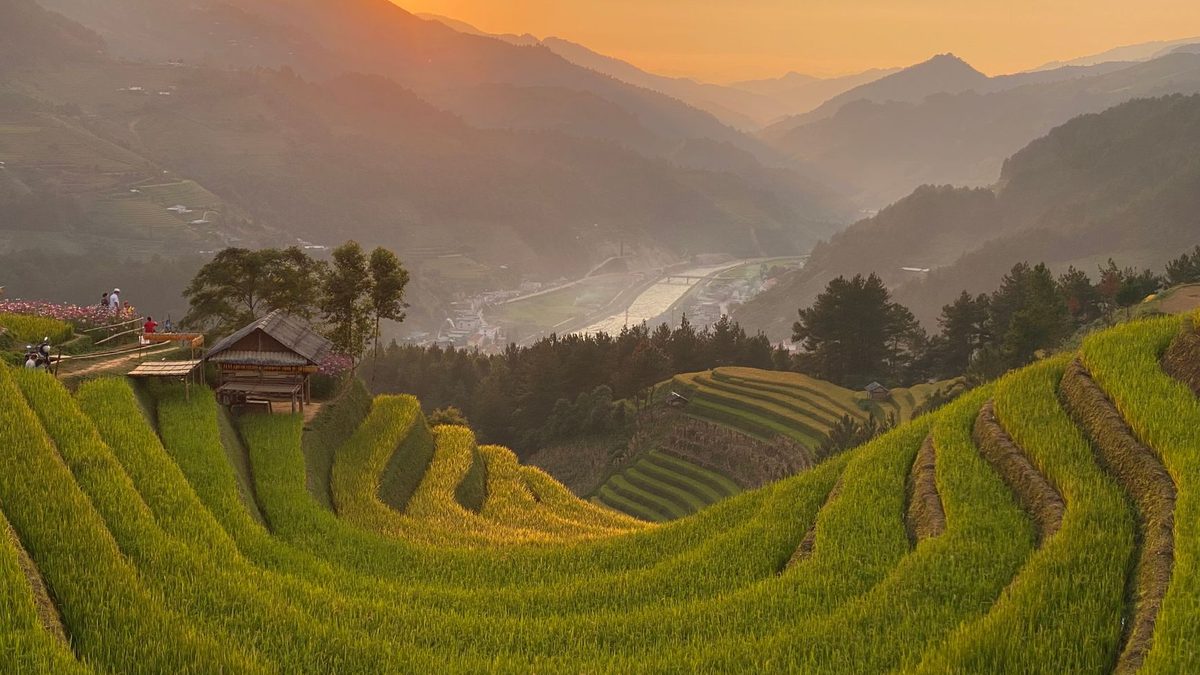
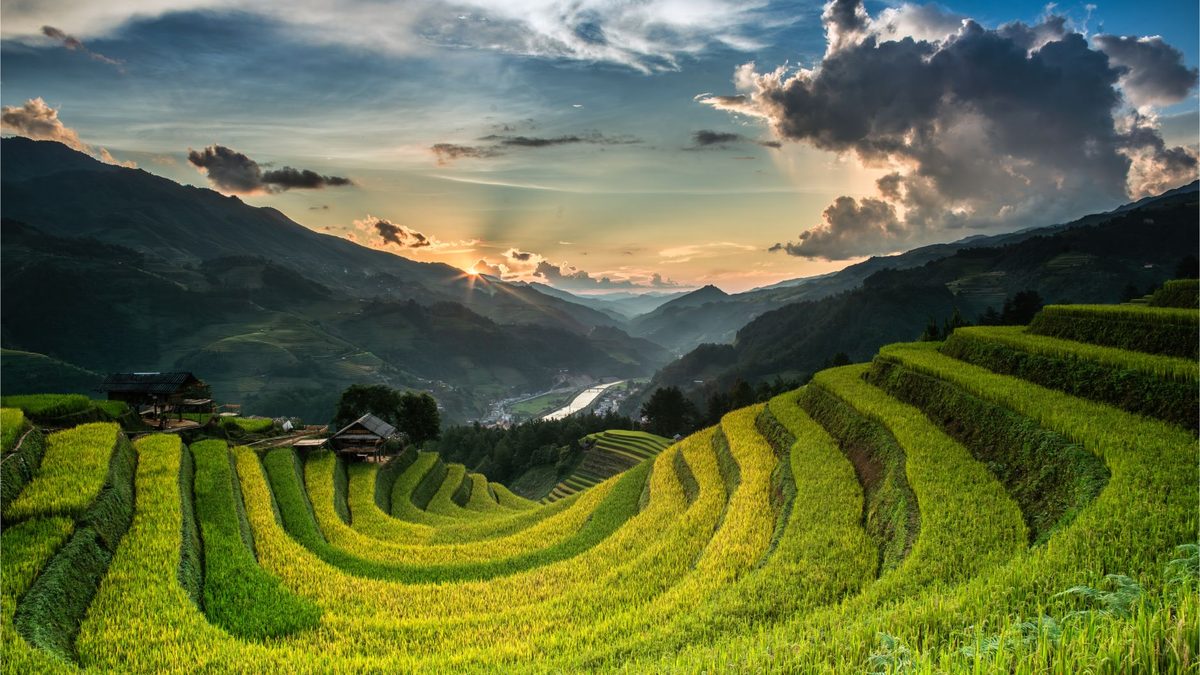
- SunsetWatch the light on the terraces from a viewpoint.
- Next morningGet up early for sunrise and the mist in the valley.
- MiddayHead back to Hanoi, or on to Sapa.
Advertisement
Where it is and how to get there
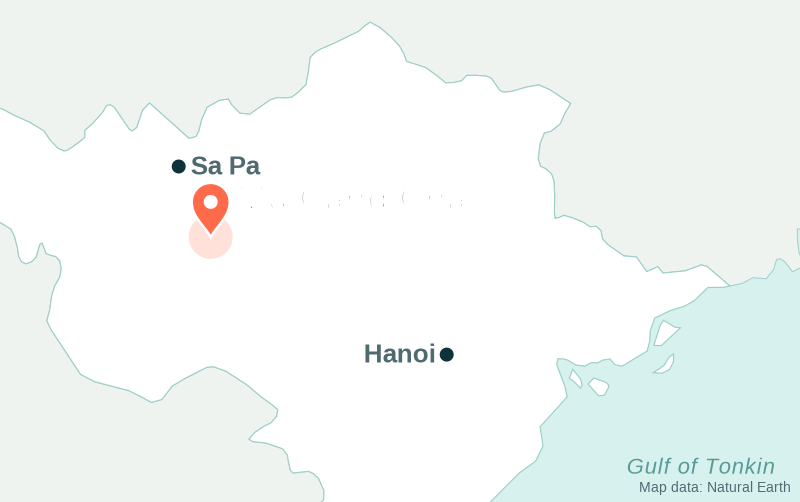
Mù Cang Chải is in northwest Vietnam, in the mountains west of Hanoi.
- By sleeper bus Buses run from My Dinh station in Hanoi to Mu Cang Chai town. The trip takes about 8 to 9 hours and costs roughly 355,000 to 420,000 VND, though other sources say 6 to 9 hours.
- By private car A private car takes about 7 hours and lets you stop at Khau Phạ Pass and other viewpoints.
- Tickets Most viewpoints are free, but one or two charge a small fee. One guide gives Mâm Xôi Hill at 20,000 VND and a photo platform at 5,000 VND. Fees change.
- Getting around Most visitors rent a motorbike with a driver or take a taxi between the villages.
Good to know: the harvest peak is short, about two or three weeks, and it varies from year to year. Check local reports, and avoid a festival weekend if you want fewer people.
Where to stay
Homestays
Family homestays in La Pán Tẩn and Che Cu Nha cost roughly 150,000 to 300,000 VND per person with dinner and breakfast, according to one guide. Book through their social media pages or ask locally.
Best for: terraces at your doorMu Cang Chai town
A few guesthouses and newer boutique-style rooms, with private rooms and hot water, from about 500,000 to 800,000 VND a night.
Best for: more comfortWhen to go
- Late May to June Water-filled terraces. The best time for mirror reflections.
- July and August Green and lush, and rainy.
- Mid-September to October The harvest. The terraces turn gold, and it is the busiest time. The peak is around mid-September to mid-October, depending on the year.
- Winter Cold, foggy and bare.
Advertisement
Our tips for Mu Cang Chai
- Book your homestay early. It fills up at harvest time.
- Aim for a week before the peak. You will have fewer people.
- Wear layers. It is cool at dawn and dusk.
- Carry cash. Homestays and small shops rarely take cards.
- Respect the fields. Never walk on the paddy banks.
Don't make these mistakes
- Coming for a day trip from Hanoi. The journey takes most of the day each way.
- Missing the harvest window. The gold lasts only a few weeks.
- Walking across the terraces. It damages the farmers' work.
- Not booking a homestay. Rooms are limited at the peak.
- Skipping sunrise. The mist and the light are best then.
Quick answers
When do the terraces turn gold?
Roughly mid-September to early or mid-October.
How do I get there from Hanoi?
By overnight sleeper bus (about 8 to 9 hours) or private car (about 7 hours).
Is there an entrance fee?
Most viewpoints are free. A few charge a small fee, such as about 20,000 VND at Mâm Xôi Hill in one guide.
How long should I stay?
At least two days.
Is it better than Sapa?
Many guides call it quieter, with similar terraces.
How do I get from Mu Cang Chai to Sapa?
There is no rail or air link, so it is road only. Sources put it at roughly 140 to 175 km and about 4 hours by private car, and buses take longer. Plan a full travel day and check the road conditions, especially in the rainy season.
Before you go
Have data when you land
Maps and bus times on your phone from the moment you land in Vietnam.
Get your eSIMAdvertisement
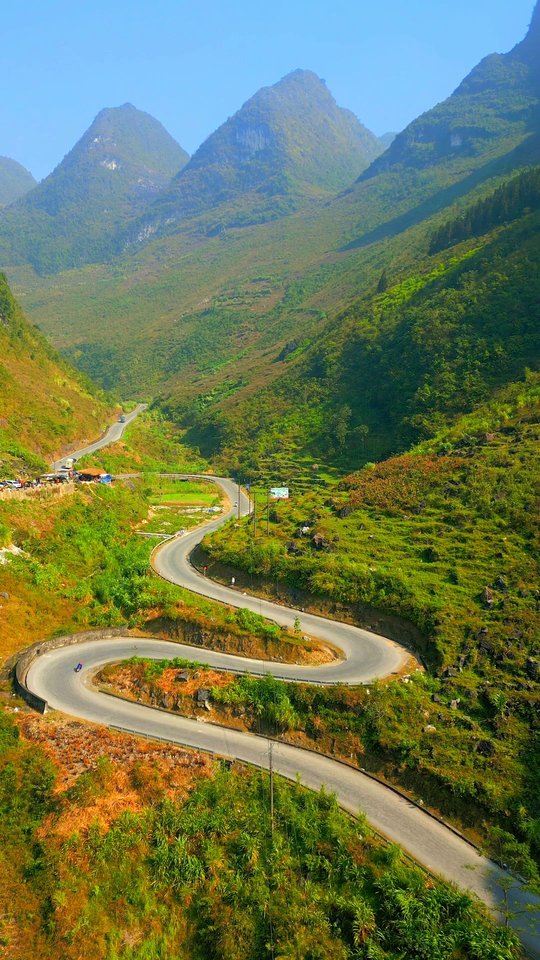 Ha Giang Loop
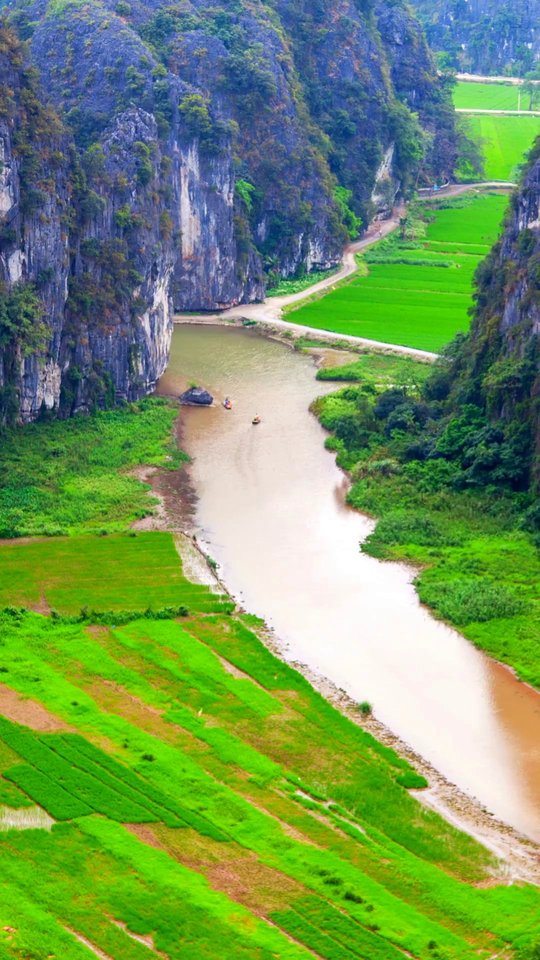 Ninh Binh
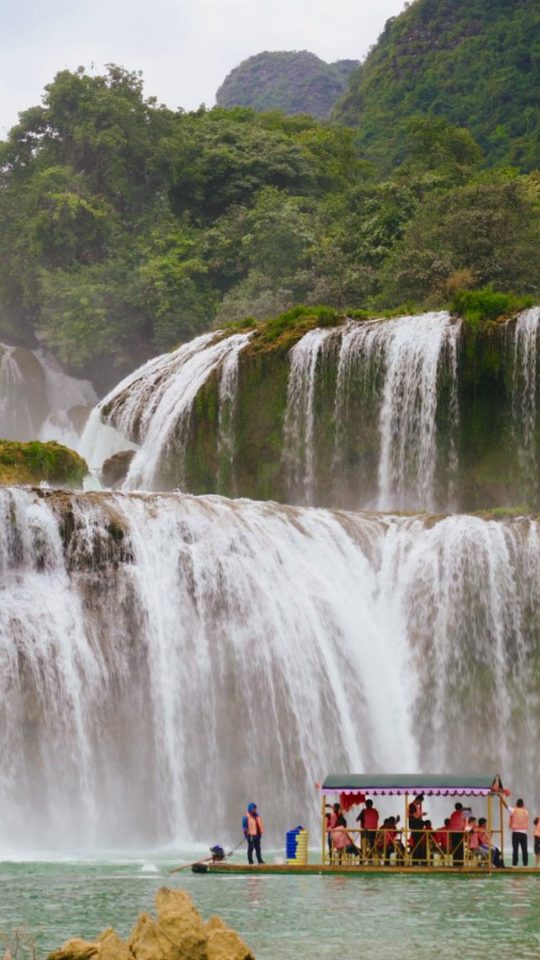 Ban Gioc Waterfall
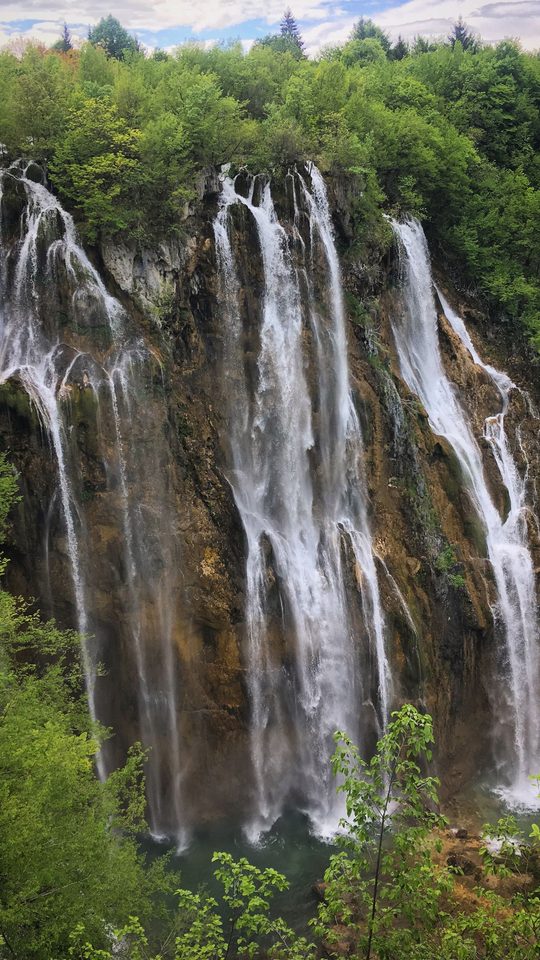 Rastoke & Plitvice
 Yamadera
 Trolltunga
 Palawan
 Shirakawa-go
 Koh Rong
 Hallstatt
 Civita di Bagnoregio
 Chefchaouen