 Île des Pins, New Caledonia
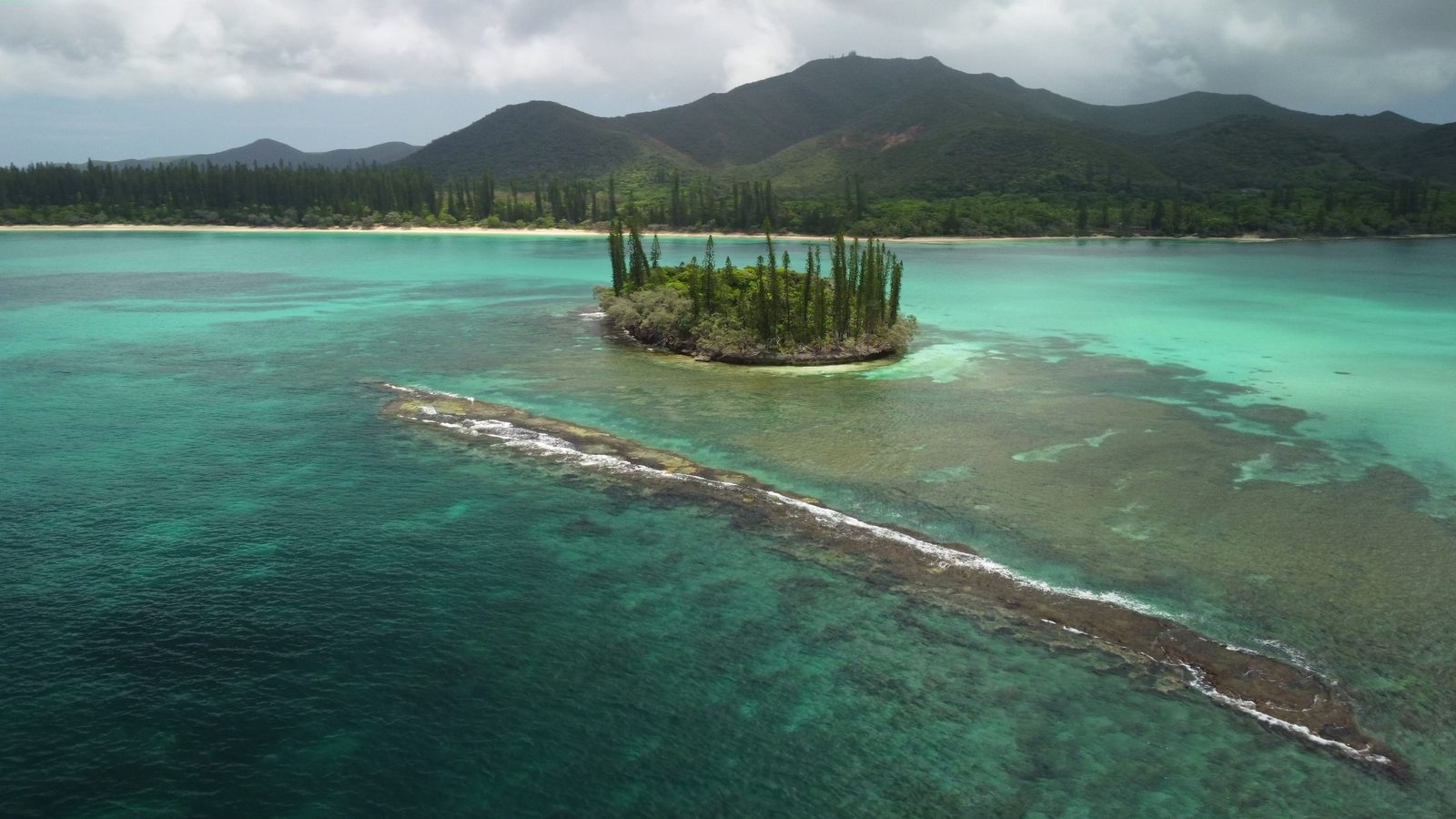
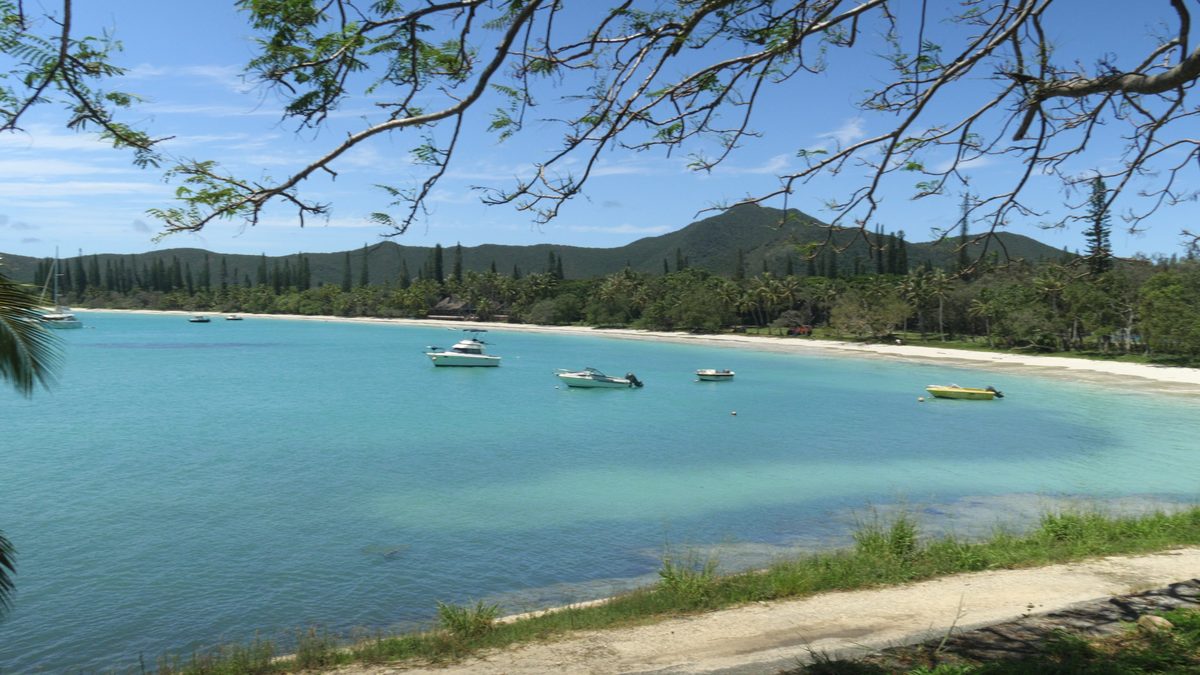
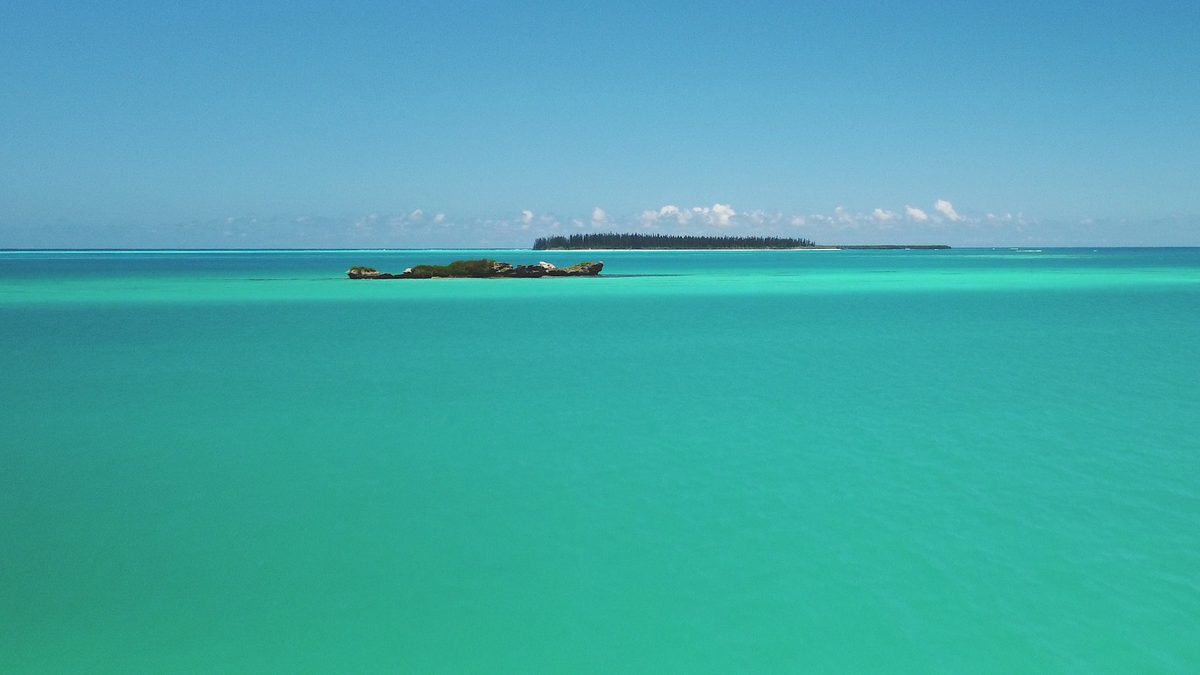
The Isle of Pines (Île des Pins) is a small island in New Caledonia, in the South Pacific, known for its tall, narrow pines, white beaches and turquoise lagoons. It is a 20-minute flight from Nouméa, or about a 2 to 2.5 hour ferry on the Betico, although one booking site showed no sailings, so check the schedule. The Natural Pool at Oro Bay is reached by outrigger canoe and a walk, with a reported entry fee of 2,000 XPF in cash.
Facts last checked: November 2026. Prices, fees and rules change, so confirm with official sources before you go. How we check.
Watch Isle of Pines first
The short video, then the full guide below. The video loads from YouTube only when you press play.
Subscribe on YouTubeAn island of pines and lagoons
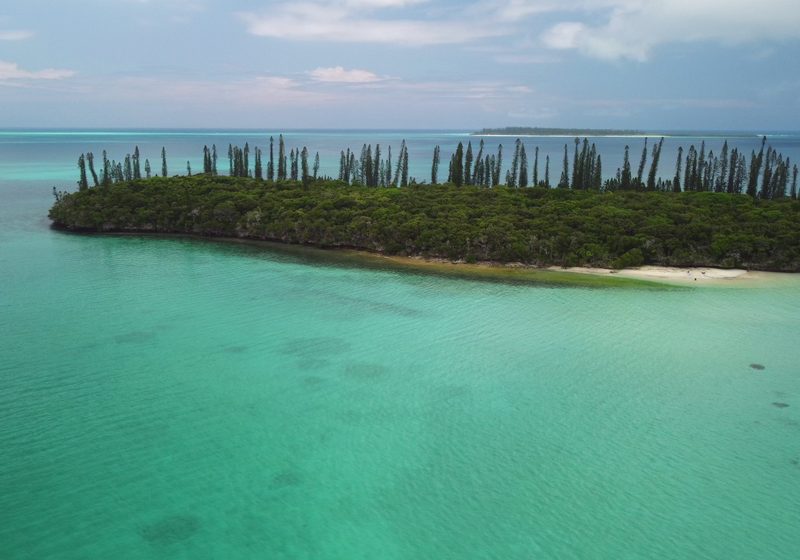
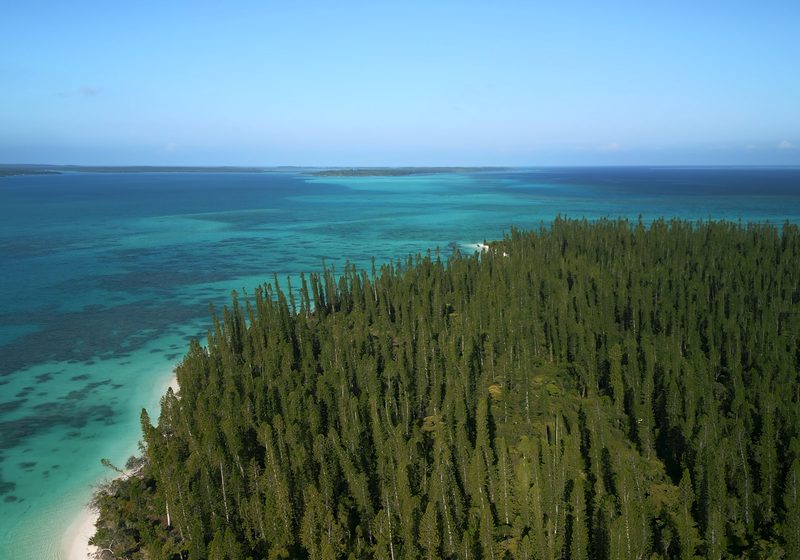
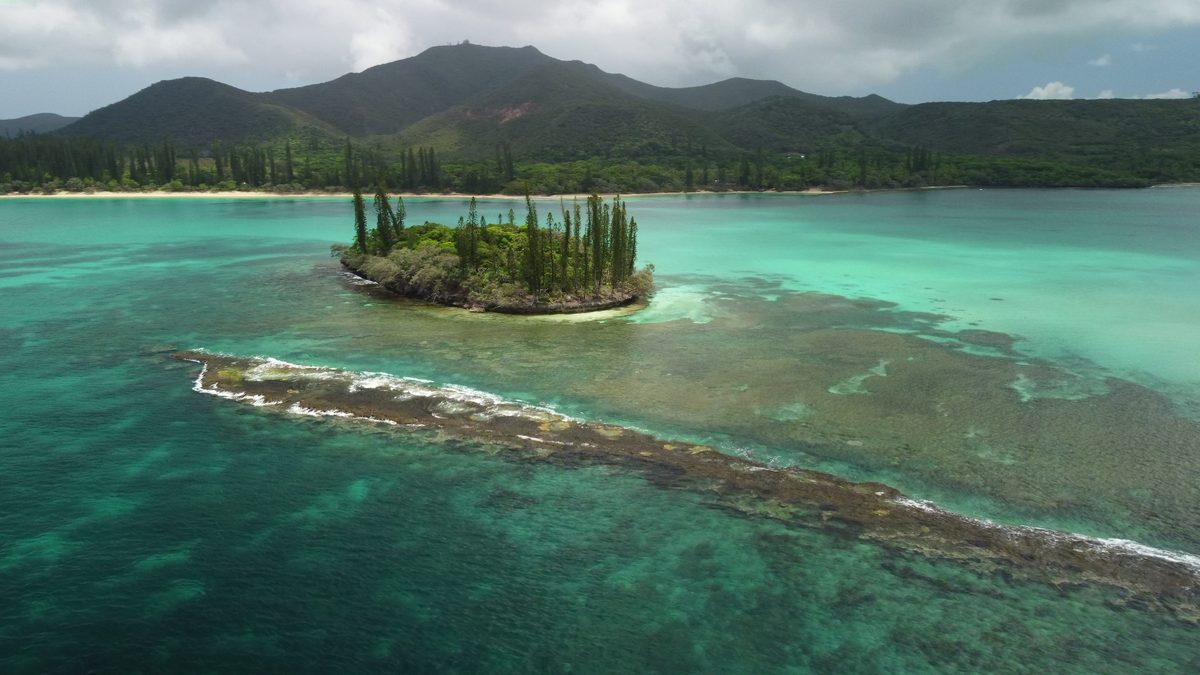
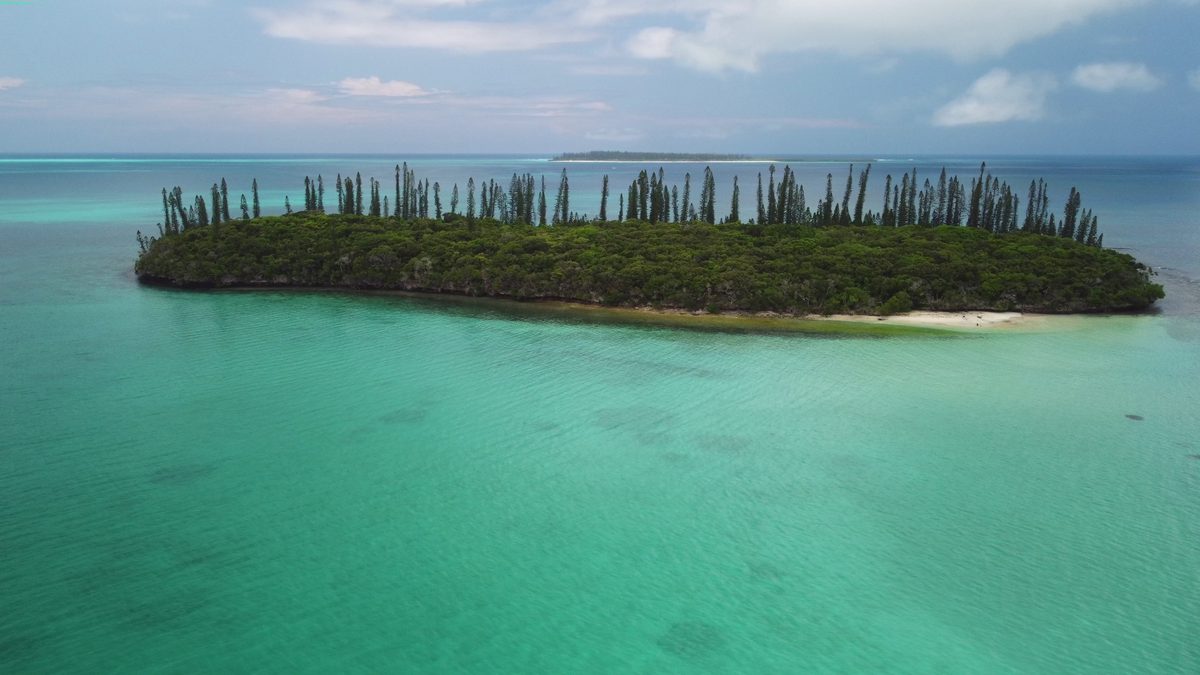
The island is named for its tall, narrow pines, which stand in tight groups along the shore and on small islets in the lagoon.
Sources call them Araucaria, and the island is known for Araucaria columnaris. Our video says they grow nowhere else on Earth. We could not confirm that from a botanical source, so we do not state it as fact here.
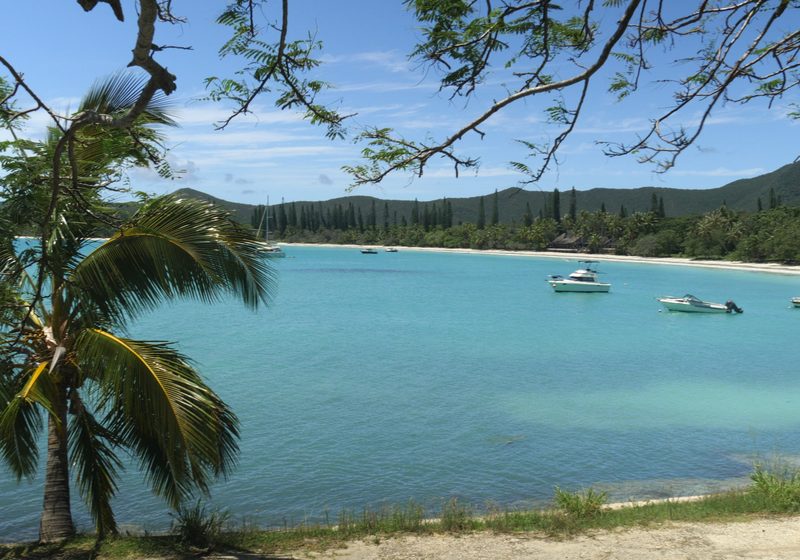
The island is small and low. Most visitors come for the beaches at Kuto and Kanumera bays, which are separated by a narrow peninsula, and for the Natural Pool at Oro Bay.
Advertisement
What to see
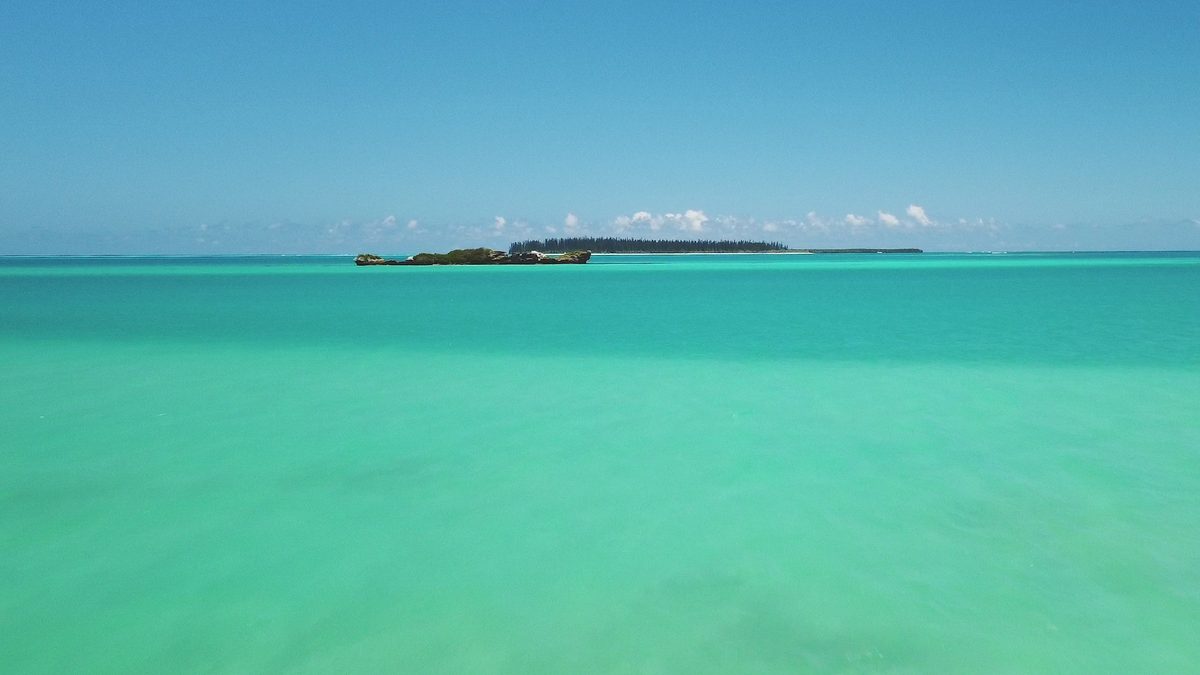
- The Natural Pool: a pool of seawater enclosed by coral and ringed by pines at Oro Bay, reached by outrigger canoe and a walk.
- Kuto and Kanumera bays: two white-sand bays either side of a narrow peninsula, good for swimming and snorkelling.
- The reef at Kanumera: a coral reef just offshore with marine life, according to one source.
- Upi Bay: a bay crossed by outrigger canoe between rock islets.
Wear beach shoes for the wade across the inlet, and take cash for the entry fee.
A perfect day
Allow a full day for the Natural Pool, and book the canoe ahead so it fits your ferry or flight times.
- Go earlyOutrigger trips usually leave from Saint-Joseph Bay at about 8 am, according to one source.
- Cross Upi BayYou paddle across Upi Bay between rock islets.
- Walk to the poolAbout 45 minutes on foot from the landing, according to one source.
- SwimSwim and snorkel in the Natural Pool.
- ReturnPaddle back and relax on a beach in the afternoon.
Advertisement
Where it is and how to get there
The Isle of Pines is in the South Pacific, off the south-east coast of the main island of New Caledonia, and is reached from Nouméa.
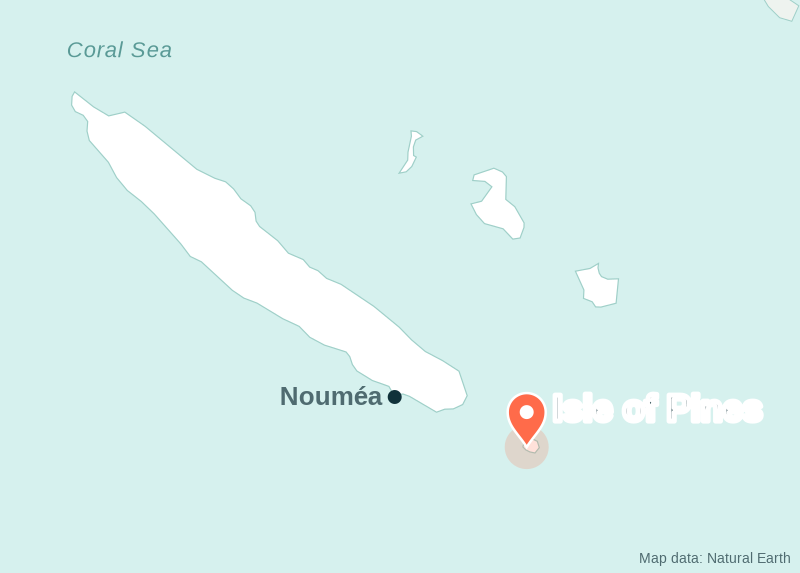
- By air A flight from Nouméa Magenta airport with Air Calédonie takes about 20 minutes, with several flights a day according to sources.
- By ferry The Betico fast ferry takes about 2 to 2.5 hours to Kuto Bay. One booking site said there were no sailings, which conflicts with other sources, so check the schedule directly.
- The Natural Pool Outrigger trips usually start in Saint-Joseph Bay, cross Upi Bay and then walk about 45 minutes to the pool. One source gives an entry fee of 2,000 XPF per person, cash only. The New Caledonia tourism site lists a donation of 200 XPF at the gate of the Oro Bay pool, so 2,000 XPF may include the canoe or a tour.
- Book ahead Outrigger trips and ferry seats should be booked ahead, because transfers have to match tender and flight times.
Good to know: New Caledonia is a French territory, so expect French, and the currency is the Pacific franc (XPF). Check the entry rules for your passport.
Where to stay
Kuto Bay
The ferry wharf is on the Kuto peninsula and the bay has a beach.
Best for: first-timersNouméa
The base on the main island, where the flights and ferry to the Isle of Pines start.
Best for: before or afterWhen to go
- Cooler dry season Usually about May to October, with drier and cooler weather.
- Cyclone season Usually about November to April, hotter and wetter. Check forecasts and keep plans flexible.
Advertisement
Our tips for Isle of Pines
- Book the canoe ahead. Outrigger trips need to fit the tender times.
- Bring cash. Entry to the Natural Pool is cash only according to one source.
- Wear beach shoes. You wade across an inlet.
- Check the ferry. Sources conflict on sailings.
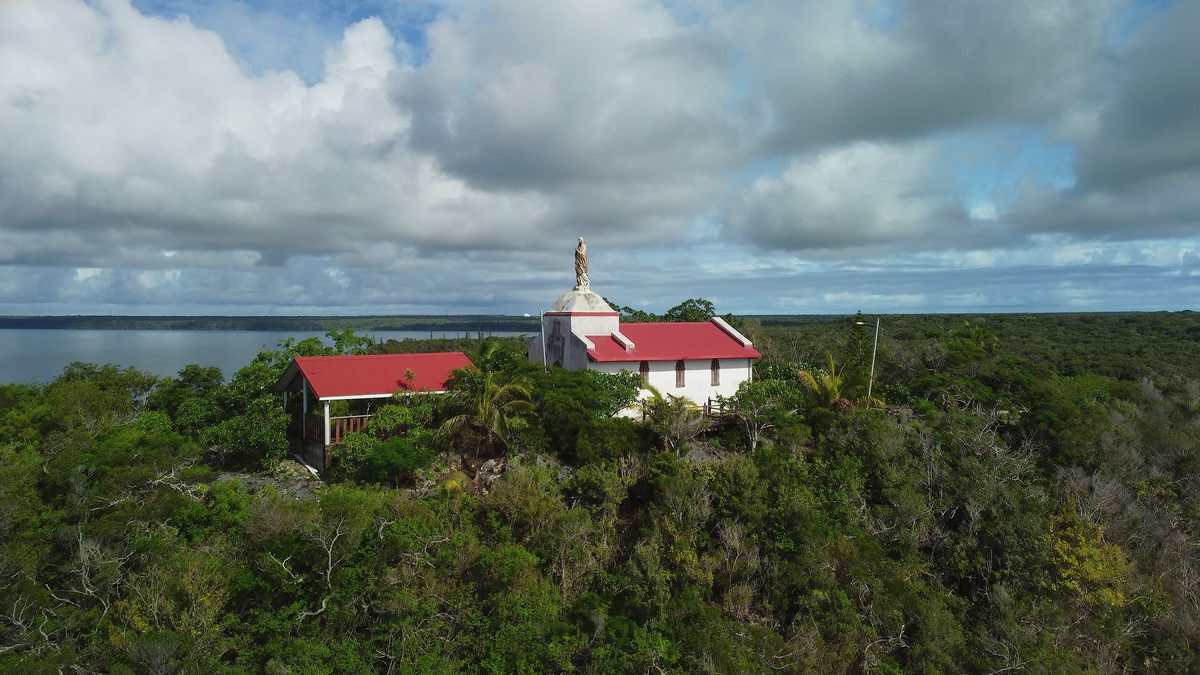
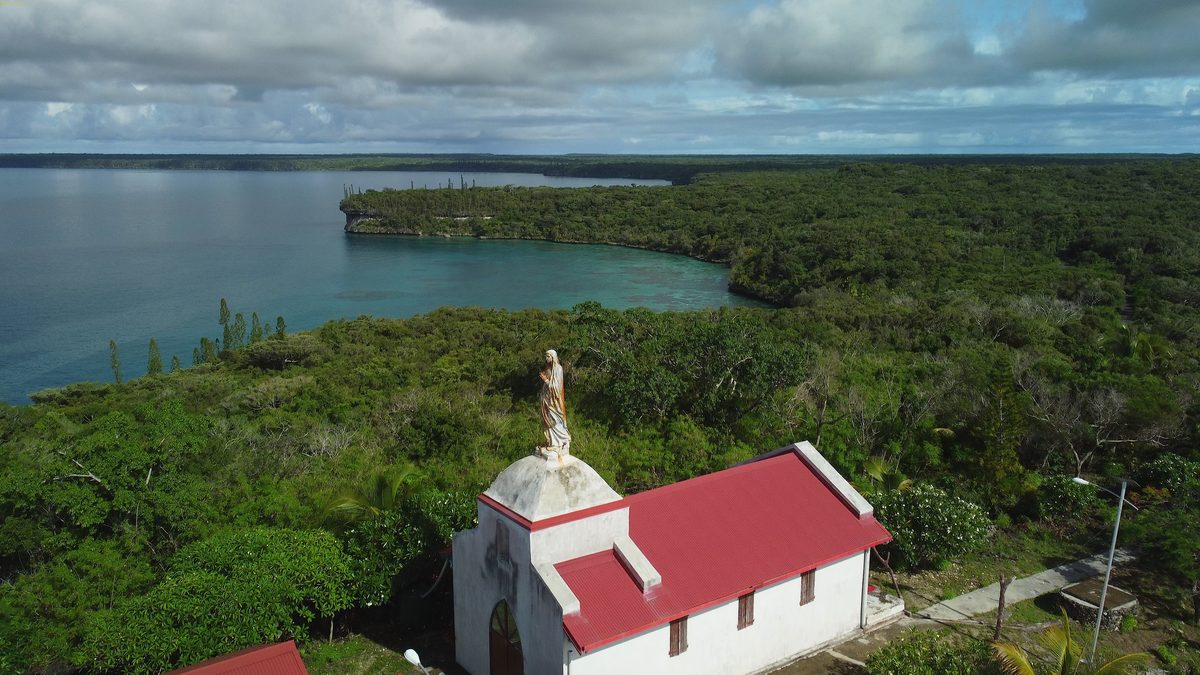
- Respect local customs. A sacred rock at Kanumera Bay is special to local people.
Don't make these mistakes
- Assuming the ferry runs. Check the Betico schedule.
- Arriving without cash. The Natural Pool takes cash only.
- Leaving late for the pool. The trip takes most of a morning.
Quick answers
How do I get to the Isle of Pines?
By a 20-minute flight from Nouméa Magenta airport, or by the Betico ferry in about 2 to 2.5 hours. Check the ferry schedule, as one booking site showed no sailings.
What is the Natural Pool?
A pool of seawater enclosed by coral and ringed by tall pines at Oro Bay. You reach it by outrigger canoe and a walk of about 45 minutes, according to one source.
How much does the Natural Pool cost?
One source gives 2,000 XPF per person, cash only. Check the current price. The New Caledonia tourism site lists a donation of 200 XPF at the gate of the Oro Bay pool, so 2,000 XPF may include the canoe or a tour.
Do the pines grow nowhere else?
We could not confirm that claim from a botanical source, so we do not state it as fact.
When should I go?
Check the forecast. The island is tropical, and cyclone season usually runs from about November to April.
Before you go
Have data when you land
Maps and offline info on your phone from the moment you land in New Caledonia.
Get your eSIMAdvertisement
 Rastoke & Plitvice
 Yamadera
 Trolltunga
 Palawan
 Shirakawa-go
 Koh Rong
 Hallstatt
 Civita di Bagnoregio
 Chefchaouen
 Antelope Canyon
 Nusa Penida
 Zhangjiajie