 Outer Banks, North Carolina, USA
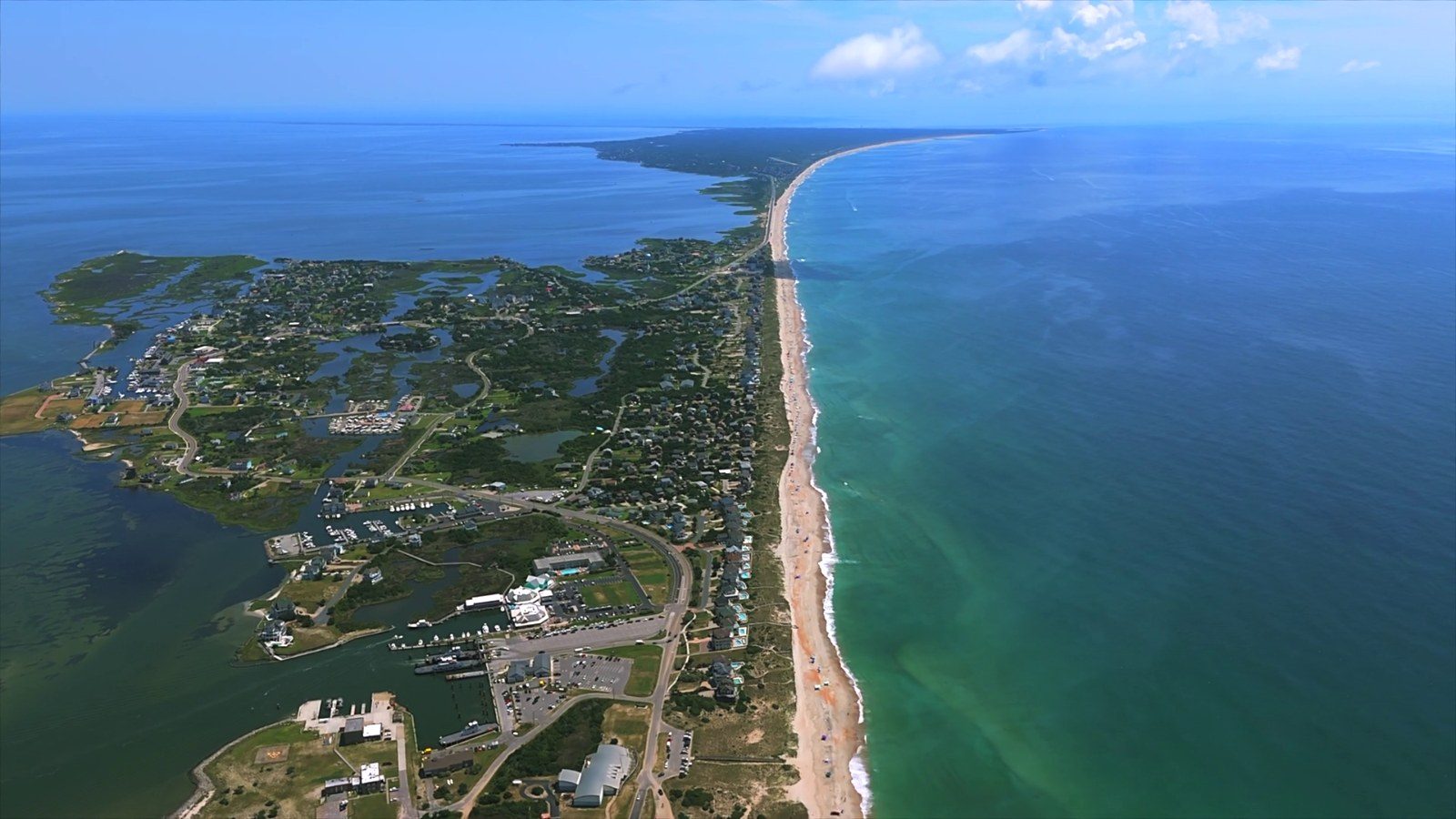
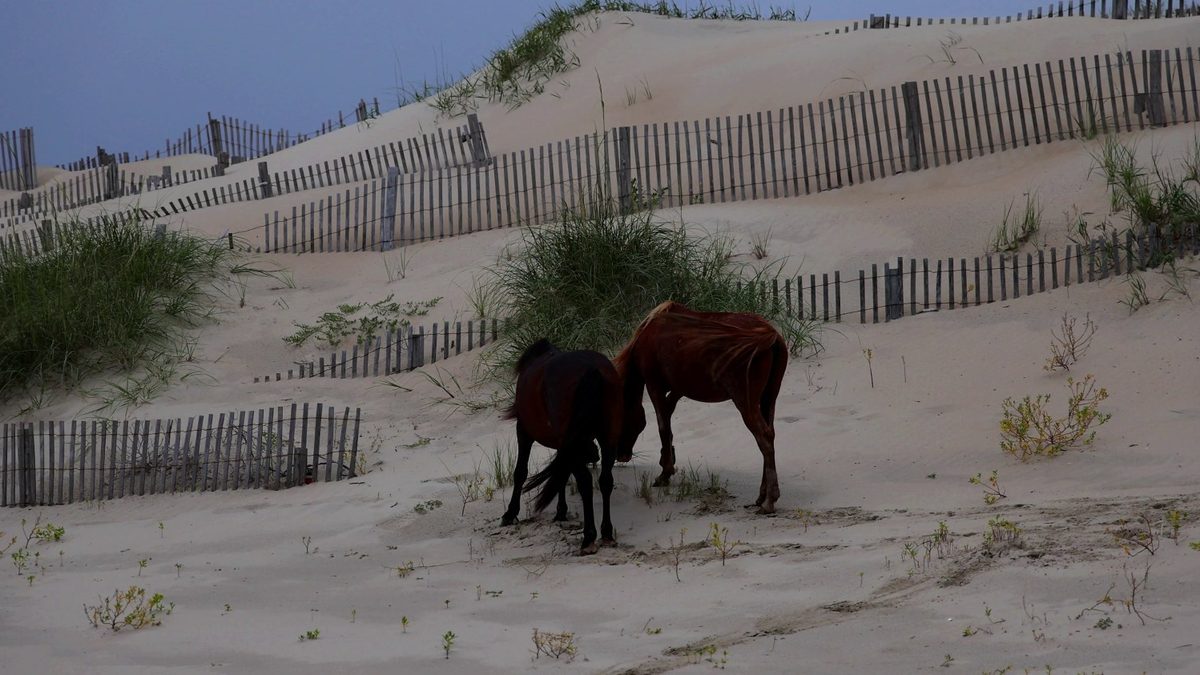
The Outer Banks is a chain of barrier islands off North Carolina. In Corolla in the north, wild horses roam the 4x4 beaches, and a Currituck County rule says you must keep at least 50 feet away from them. Jockey’s Ridge State Park, in Nags Head, has the tallest living sand dune system on the Atlantic coast, between about 80 and 100 feet depending on the source, and it is free to enter. May and September are good times to go.
Facts last checked: November 2026. Prices, fees and rules change, so confirm with official sources before you go. How we check. Official sources: Corolla Wild Horse Fund, NC State Parks: Jockey's Ridge.
A beach with wild horses
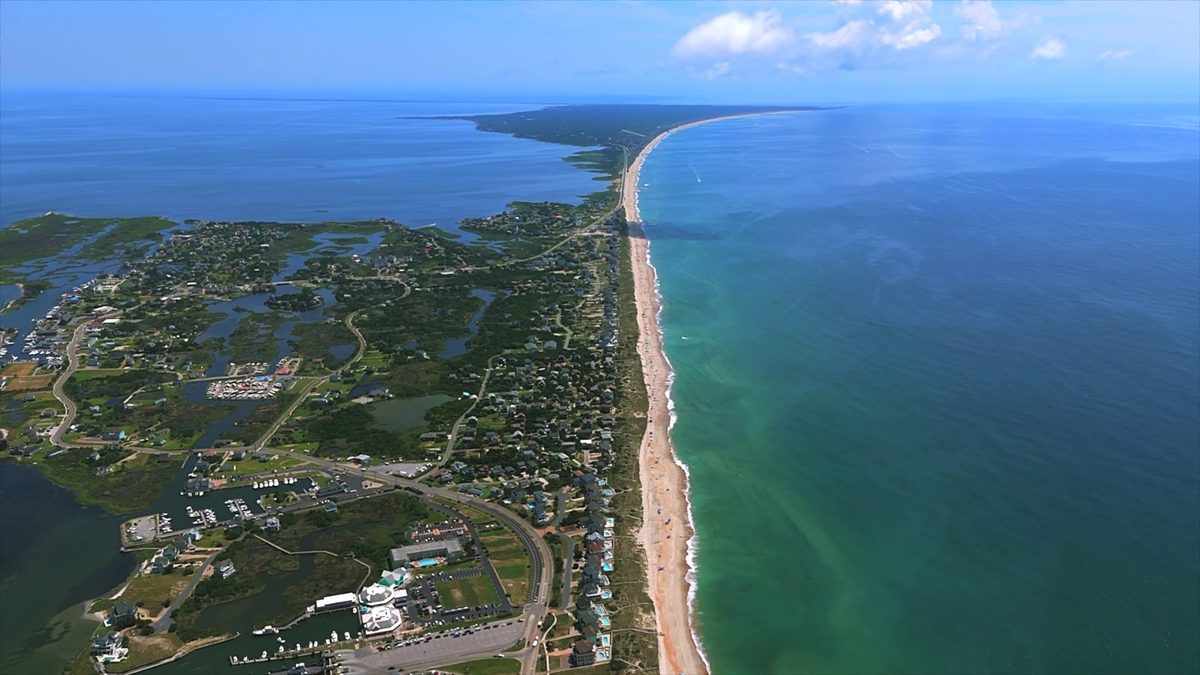
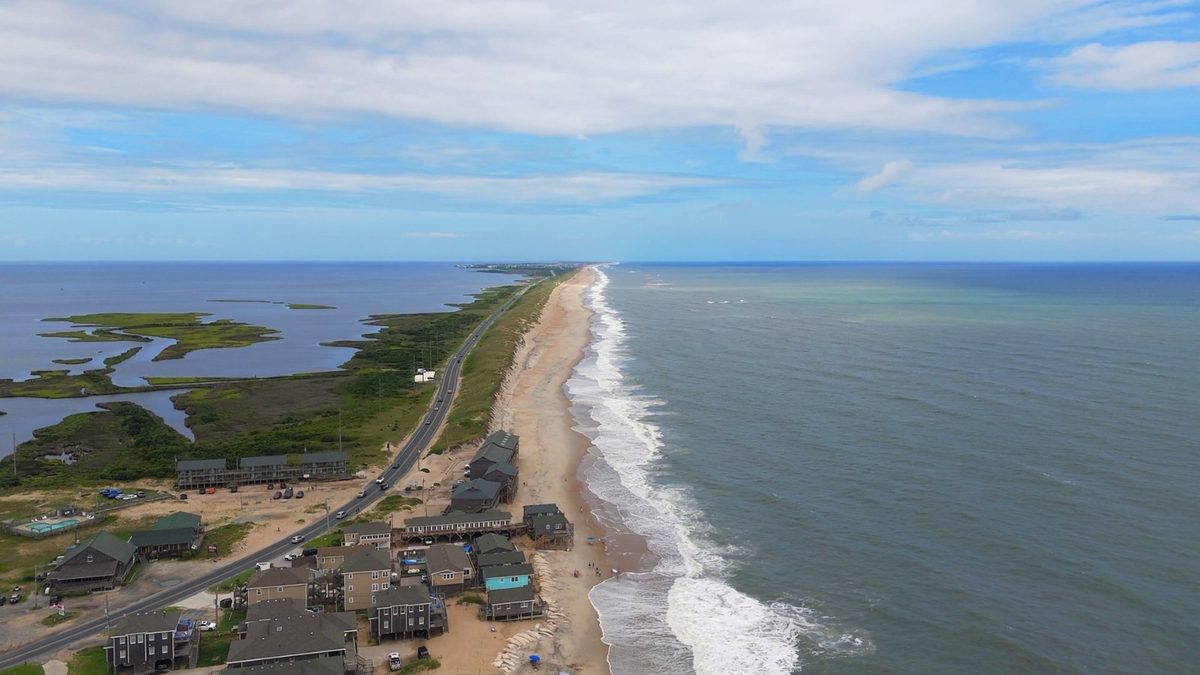
The Outer Banks stretch along the North Carolina coast. In the north, the pavement of Highway 12 ends in Corolla and the 4x4 beaches begin.
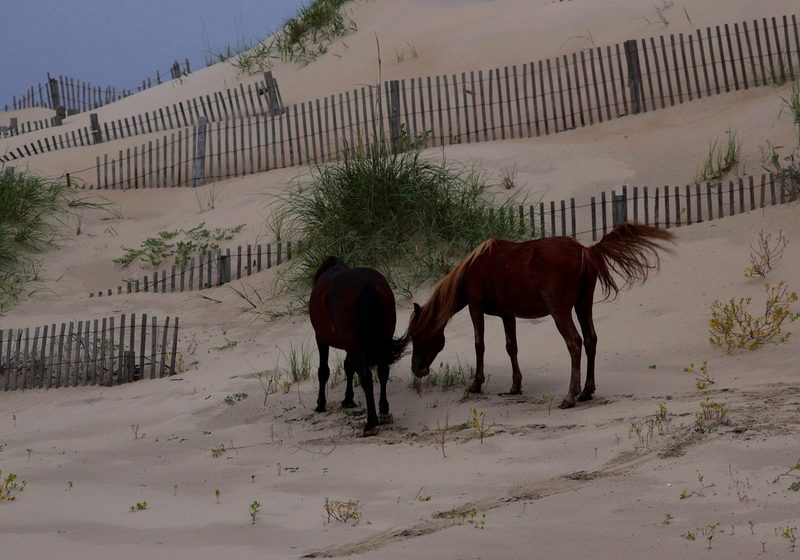
The wild horses there roam free. The local horse fund and county say you must stay at least 50 feet away, and fines can go up to $500 per incident.
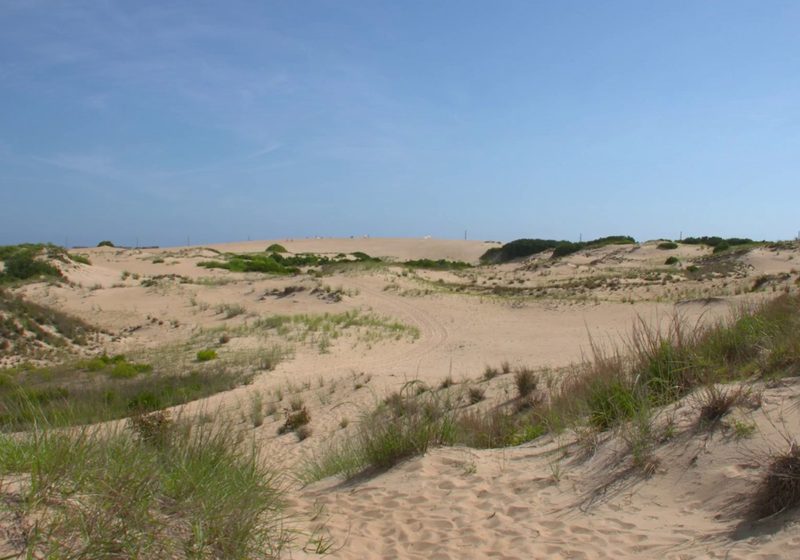
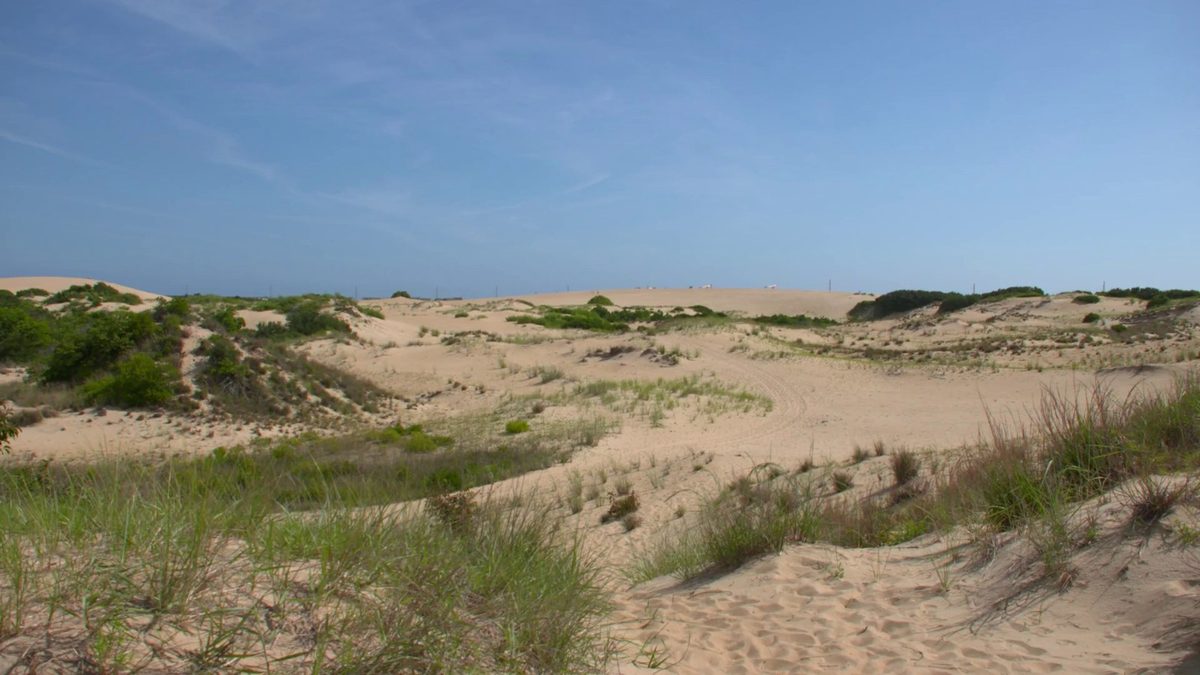
Further south at Nags Head, Jockey’s Ridge is a huge living dune that wind keeps moving. Park access is free.
Advertisement
What to see
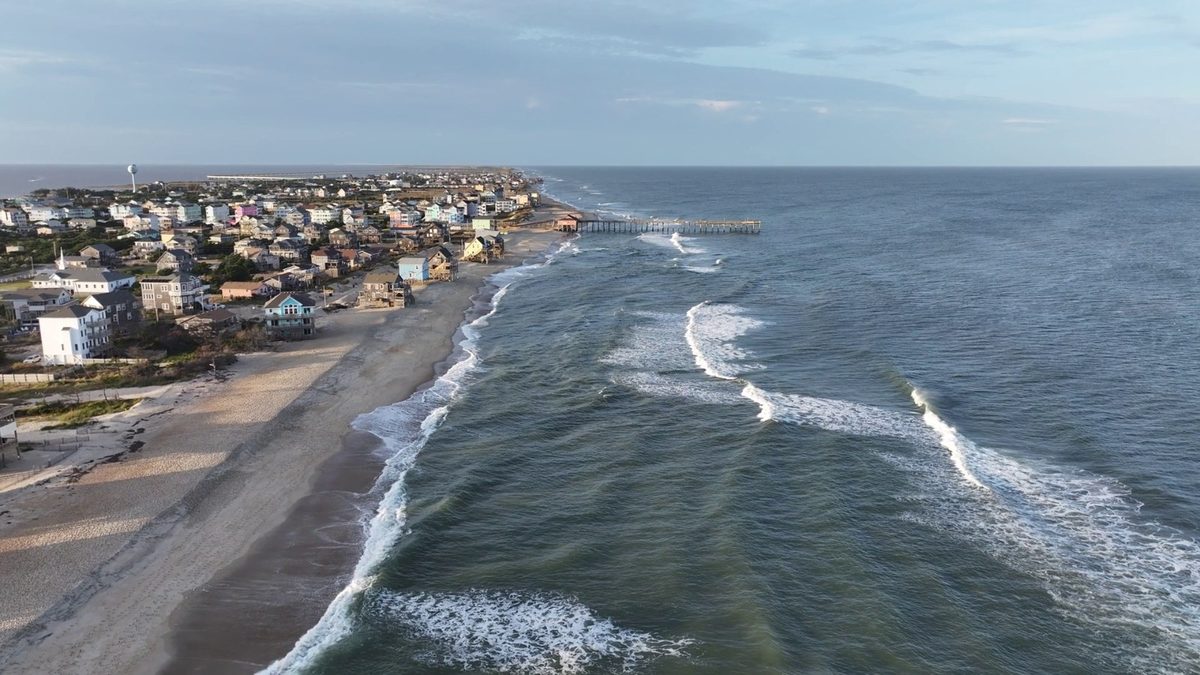
- Corolla wild horses: free-roaming horses on the 4x4 beaches. Stay at least 50 feet (15 m) away.
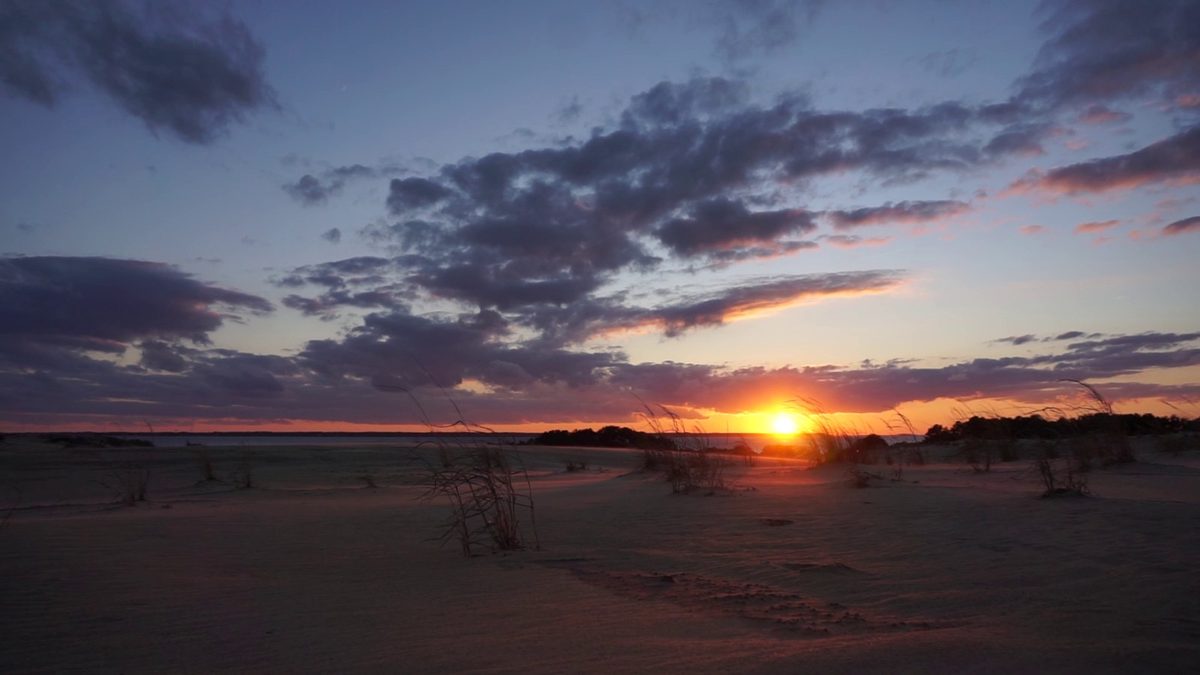
- Jockey’s Ridge State Park: a living dune system in Nags Head. Free to enter, and a good place for a sunset walk.
- The 4x4 beaches: begin where the paved road ends in Corolla. Book a guided tour if you do not have a suitable vehicle.
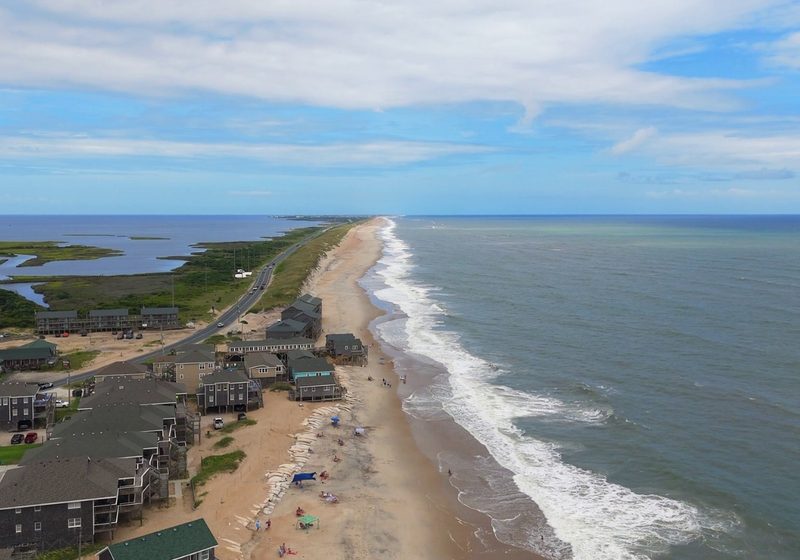
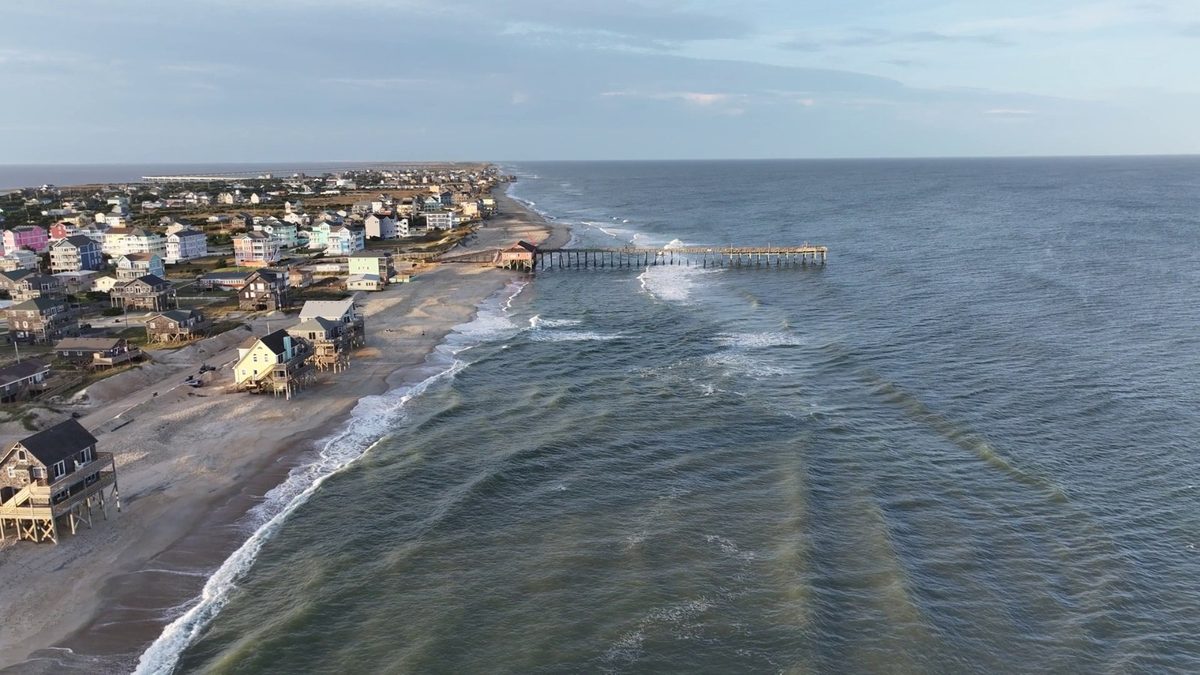
- Beach stilt houses: a typical sight on the coast.
Keep your distance from the horses. The rule applies even when they walk up to you.
A perfect day on the Outer Banks
Combine a horse tour in the morning with a dune walk in the evening.
- MorningBook a guided horse tour from Corolla, or drive the 4x4 beaches if you have the right vehicle.
- LunchEat in Corolla or head south along the coast.
- AfternoonDrive to Nags Head and walk the dune at Jockey’s Ridge.
- SunsetWatch the sun go down from the top of the dune.
Advertisement
Where it is and how to get there
The Outer Banks are on the North Carolina coast. Corolla is in the north and Nags Head is further south.
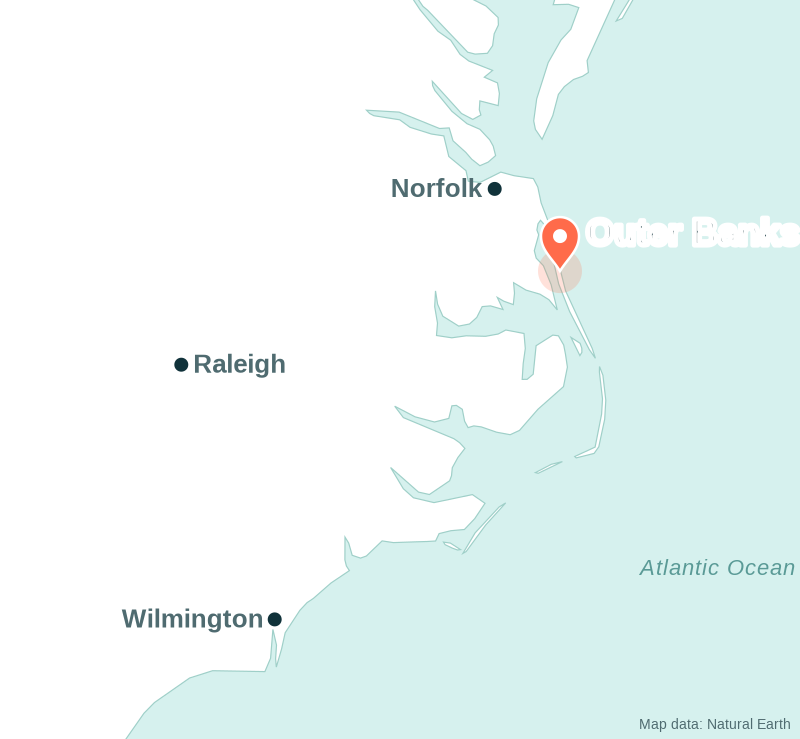
- By car You drive over the bridge from the mainland. The beaches north of Corolla are 4x4 only.
- Horse tours Guided tours from Corolla take you to the horses if you do not have a 4x4.
- The 50 ft rule A Currituck County rule says you must stay at least 50 feet away from the horses at all times. Fines can reach about $500.
- Jockey’s Ridge Free admission, parking and programs. It opens at about 8 am and closes at different times by season.
Good to know: the horse rules are set by county law and enforced. Read the signs on the beach.
Where to stay
Corolla
The base for the horses and the quiet northern beaches.
Best for: horsesNags Head
Close to Jockey’s Ridge, with more services.
Best for: more servicesWhen to go
- May and June Good weather and fewer crowds than July and August.
- September and October Warm sea and fewer visitors.
- Summer The busiest months. Book ahead.
Advertisement
Our tips for Outer Banks and the Corolla Wild Horses
- Stay 50 feet from the horses. It is the law, even if they come to you.
- Book a horse tour. You do not need a 4x4.
- Never feed the horses. It harms them.
- Climb Jockey’s Ridge at sunset. The light is the best part.
- Wear a hat and bring water. The dune has no shade.
Don't make these mistakes
- Walking up to the horses for photos. It is illegal and dangerous.
- Driving onto the 4x4 beaches without the right vehicle. Many people get stuck.
- Visiting only in July and August. Shoulder months are quieter.
Quick answers
Can I see wild horses without a 4x4?
Yes. Guided tours leave from Corolla and take you to the horse beaches.
How close can I get to the horses?
At least 50 feet (15 m). This is a Currituck County rule and fines can reach about $500.
Is Jockey’s Ridge free?
Yes. The park charges no admission, parking or program fee.
How tall is Jockey’s Ridge?
Sources give 80 to 100 feet, and the height changes as the wind moves the sand.
When should I go?
May, June, September and October are good months.
Before you go
Have data when you land
A data plan helps with tide, weather and tour bookings.
Get your eSIMAdvertisement
 Antelope Canyon
 Snow Canyon State Park
 Garden of the Gods
 Dream Lake
 Fish Creek Falls
 Acadia National Park
 Rastoke & Plitvice
 Yamadera
 Trolltunga
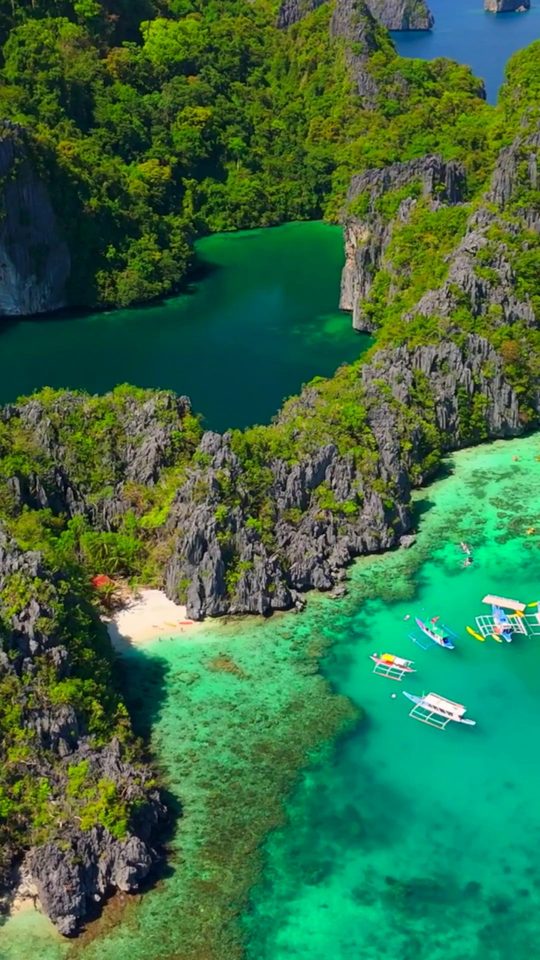 Palawan
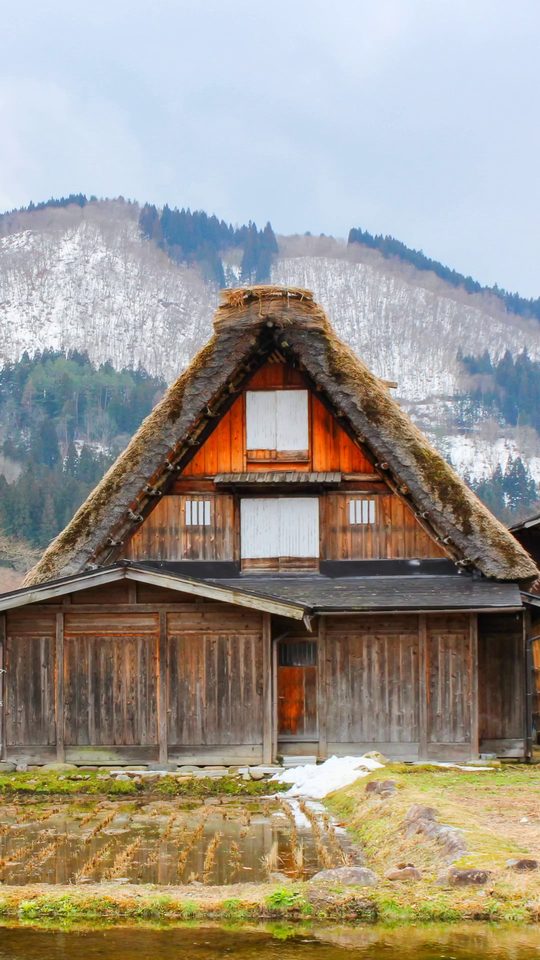 Shirakawa-go
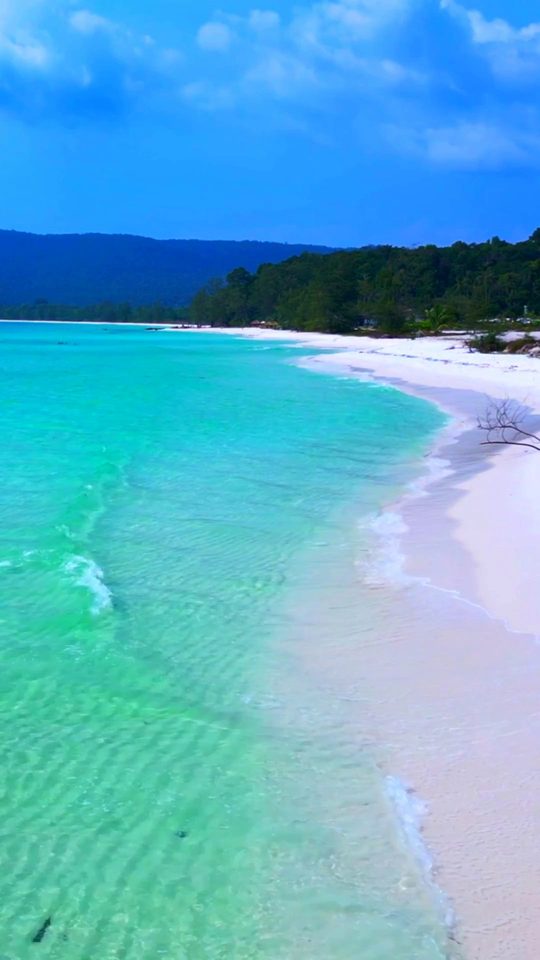 Koh Rong